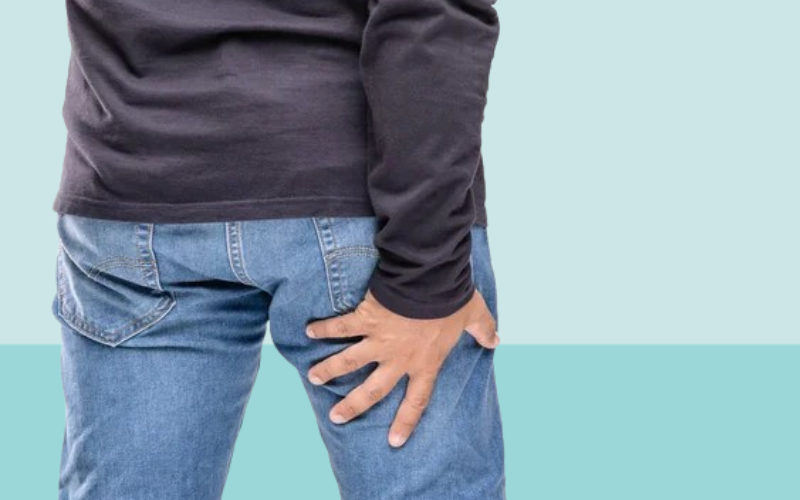
Piriformis syndrome is a painful condition that often feels like sciatica and can make simple movements uncomfortable. Many people don’t realize that a small muscle deep in the buttocks can cause so much pain. In this guide, you’ll learn what causes piriformis syndrome, the most common symptoms to watch for, and—most importantly—exactly which stretches provide fast relief in 2026. Whether you sit for long hours or stay active, the information in this post will help you understand your body and take simple steps to feel better quickly.
Table of Contents
🚨 Looking for more information about Sciatica? Check out our Ultimate guide to sciatica or other related posts throughout this site.
🏁 What is Piriformis Syndrome?
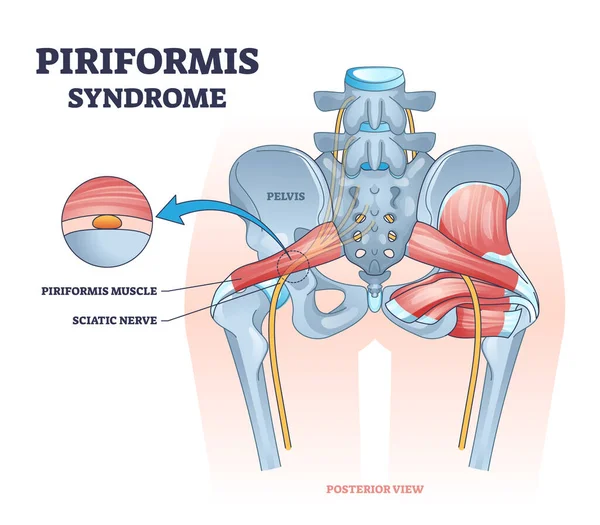
Piriformis syndrome is a condition where the piriformis muscle, located deep in the buttocks, becomes tight, inflamed, or spasms, irritating the sciatic nerve. This can cause buttock pain, hip discomfort, and sciatica-like symptoms, such as tingling or numbness down the leg.
Understanding the Piriformis Muscle
The piriformis muscle is a small but important muscle that connects the lower spine to the thigh bone (femur). It plays a crucial role in:
✔ Rotating the hip outward
✔ Stabilizing the pelvis
✔ Assisting in walking, running, and sitting
The sciatic nerve, the largest nerve in the body, runs beneath or through the piriformis muscle. When the muscle becomes tight, irritated, or inflamed, it can compress the sciatic nerve, leading to pain and discomfort.
🏆 Causes of Piriformis Syndrome
The piriformis muscle sits close to the sciatic nerve, and when it presses against it, pain and discomfort follow. Here are the main causes:
1. Muscle Overuse or Strain
Repetitive movements, such as running, cycling, or prolonged walking, can overwork the piriformis muscle. This leads to tightness, inflammation, and nerve compression.
2. Prolonged Sitting
Sitting for long hours—especially on hard surfaces—can put constant pressure on the piriformis muscle. This is common in office workers, truck drivers, and those with sedentary lifestyles.
3. Muscle Imbalances or Weakness
Weak glute muscles force the piriformis to work harder, leading to strain and tightness. Uneven strength between the left and right side of the body can also contribute.
4. Trauma or Injury
A direct injury, like a fall on the buttocks or a car accident, can cause swelling and muscle spasms, leading to nerve irritation.
5. Poor Body Mechanics
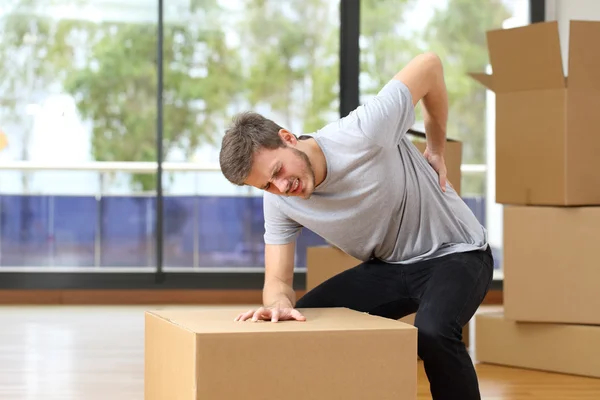
Improper walking, running, or lifting techniques put stress on the piriformis muscle. Over time, this leads to tightness and discomfort.
6. Tight Hips or Limited Mobility
When hip flexibility is limited, the piriformis muscle compensates, leading to tightness and irritation of the sciatic nerve.
7. Underlying Conditions
In some cases, conditions like spinal misalignment, herniated discs, or pelvic dysfunction can contribute to piriformis syndrome.
Understanding these causes can help prevention and management. Strengthening, stretching, and correcting posture can all make a big difference.
⚠️ Symptoms of Piriformis Syndrome
Symptoms of Piriformis Syndrome
Piriformis syndrome can cause discomfort that ranges from mild irritation to severe pain. Since the piriformis muscle sits near the sciatic nerve, symptoms often mimic sciatica. Recognizing these signs early can help with proper treatment.
1. Buttock Pain
A deep, aching pain in one side of the buttocks is the most common symptom. It may feel worse after sitting for long periods or climbing stairs.
2. Radiating Leg Pain
Pain can travel from the buttocks down the back of the thigh, similar to sciatic nerve pain. This often worsens with prolonged sitting, walking, or running.
3. Tingling or Numbness
Some people experience a “pins and needles” sensation in the buttocks, thigh, or even down to the calf. This happens when the piriformis muscle compresses the sciatic nerve.
4. Increased Pain with Movement
Certain activities—such as sitting cross-legged, squatting, or lunging—can trigger or worsen symptoms. The pain may ease with standing or walking.
5. Lower Back Discomfort
Although piriformis syndrome mainly affects the buttocks and legs, some people also feel tension or mild pain in the lower back.
6. Weakness in the Affected Leg
Chronic nerve irritation can lead to muscle weakness, making it harder to walk, climb stairs, or maintain balance.
🧑⚕️ When to See a Doctor
If pain persists for weeks, worsens over time, or significantly limits daily activities, it’s best to seek medical advice. A healthcare professional can rule out other conditions like herniated discs or spinal issues.

Understanding these symptoms can help with early detection and treatment.
🏋️ The Best Stretches for Fast Relief
These gentle piriformis stretches for beginners are perfect for relieving sciatic pain safely while improving flexibility and mobility at your own pace:
1. Seated Piriformis Stretch
(Best for quick relief while sitting!)
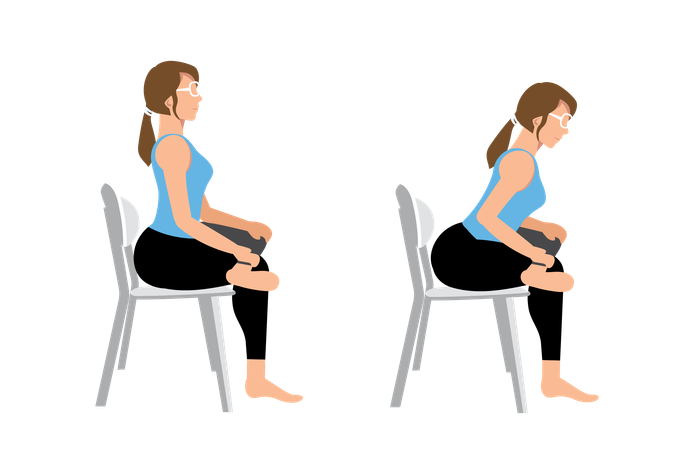
How to Do It:
- Sit upright in a chair.
- Cross your right ankle over your left knee.
- Keep your back straight and gently lean forward until you feel a stretch in your right glute.
- Hold for 20–30 seconds, then switch sides.
🚨 Why It Helps: Loosens the piriformis muscle and relieves sciatic nerve compression.
2. Supine Figure 4 Stretch
(Great for deep glute and hip stretching!)
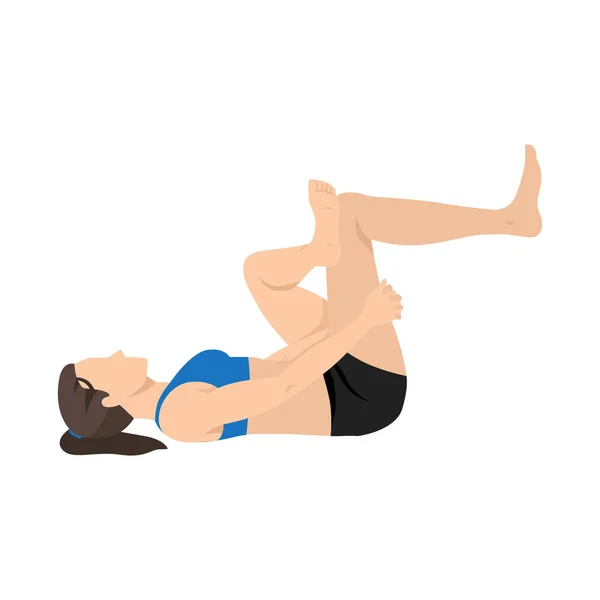
How to Do It:
- Lie on your back with knees bent.
- Cross your right ankle over your left knee, creating a “figure 4” shape.
- Grab behind your left thigh and pull it toward your chest.
- Hold for 20–30 seconds, then switch sides.
🚨 Why It Helps: Stretches the deep hip muscles and relieves nerve pressure.
3. Standing Piriformis Stretch
(Perfect for quick relief on the go!)
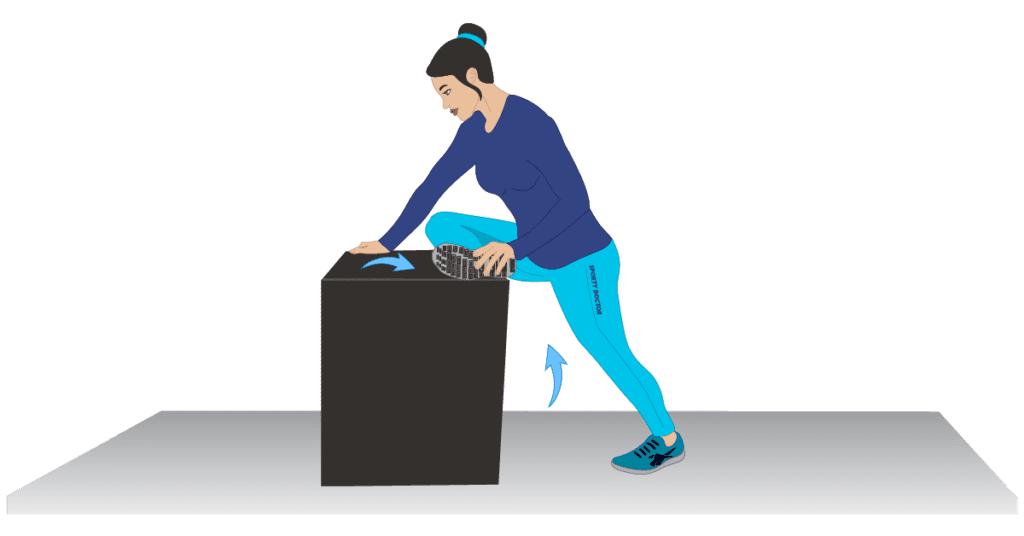
How to Do It:
- Stand near a table or bench.
- Place your right foot on the surface, keeping your knee bent outward.
- Lean forward slightly, keeping your back straight.
- Hold for 20–30 seconds, then switch sides.
🚨 Why It Helps: Improves hip mobility and reduces muscle tightness.
These best piriformis syndrome stretches for sciatic pain are recommended by physical therapists to help reduce nerve pressure and ease discomfort quickly.
🛠️ Helpful Products & Tools for Piriformis Syndrome
| Product | Description | How It Helps With Piriformis Syndrome | Suggested Affiliate Link CTA |
|---|---|---|---|
| Yoga Mat | Non-slip, cushioned mat for floor exercises and stretching routines | Makes it comfortable to perform piriformis stretches and mobility exercises without straining joints or lower back | 🛒Shop Now |
| Piriformis Release Tool | Targeted massage tool designed specifically for deep glute and piriformis muscle trigger point release | Helps loosen tight piriformis muscle fibers and reduce sciatic-like pain | 🛒Shop Now |
| Heating Pad | Adjustable heat therapy pad (microwavable or electric) for localized pain relief | Relaxes the piriformis muscle, improves blood flow, and preps the area for stretching or massage | 🛒Shop Now |
💡 Tips for Managing Piriformis Syndrome
✔ Stay Active – Gentle movement helps prevent stiffness.
✔ Strengthen Your Glutes & Core – Weak muscles contribute to poor posture and tightness.
✔ Use Heat or Ice – Heat relaxes muscles, while ice reduces inflammation.
✔ Improve Posture – Avoid slouching when sitting for long periods.
If pain persists or worsens, consider consulting a physical therapist for a personalized treatment plan.
🧾 Conclusion
Piriformis syndrome is a common but often overlooked cause of buttock pain, hip discomfort, and sciatica-like symptoms. It occurs when the piriformis muscle becomes tight or inflamed, putting pressure on the sciatic nerve.
The good news? It is manageable! Incorporating the best piriformis syndrome stretches for sciatic pain into your daily routine can help prevent flare-ups and support long-term relief.
If you’re struggling with persistent discomfort, consider consulting a physical therapist to develop a personalized recovery plan. Don’t let your symptoms slow you down—start taking steps toward relief today!
📌 Next Steps:
👉 Download this quick PDF exercise guide for symptom relief: Piriformis Syndrome Exercise Guide
👉 Learn about Sciatica vs. Piriformis Syndrome
📢 Before you go! Sign up below for home recovery tips, injury rehab advice, and therapist-approved gear reviews straight to your inbox!!