
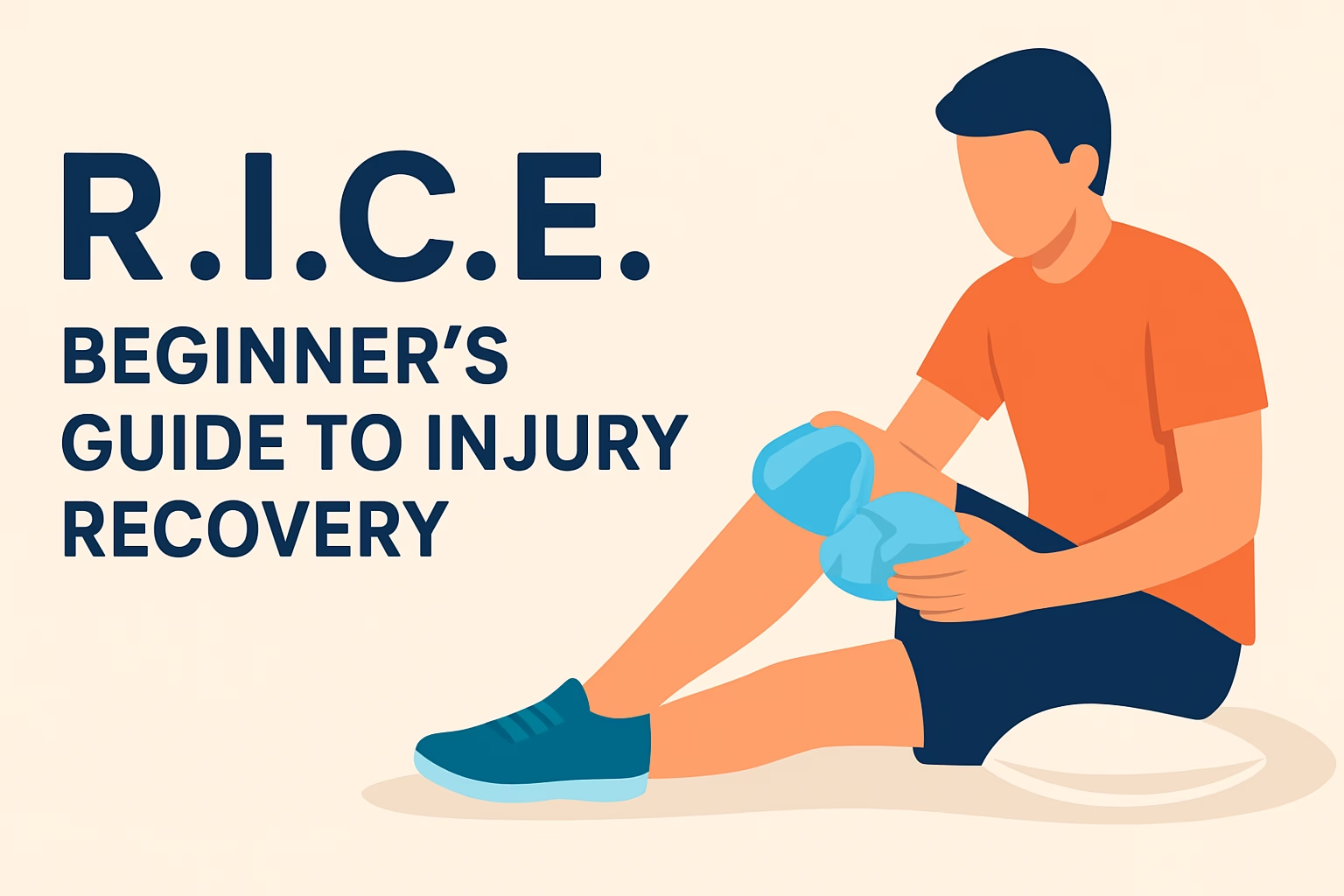
The RICE method—Rest, Ice, Compression, and Elevation—is a simple, proven way to treat minor injuries and reduce pain fast. Used by athletes and physical therapists, this method helps control swelling and speed up healing. In this quick guide, you’ll learn how the RICE method works and when to use it for safe, effective recovery.
Table of Contents
🚨 Not sure whether to use heat or ice therapy for your injury? Check out our blog post Heat vs Cold Therapy for Pain Relief: Which is Better? (2026 Edition) to find out today!
🏠 Step-by-Step Guide: How to Apply the RICE Method at Home
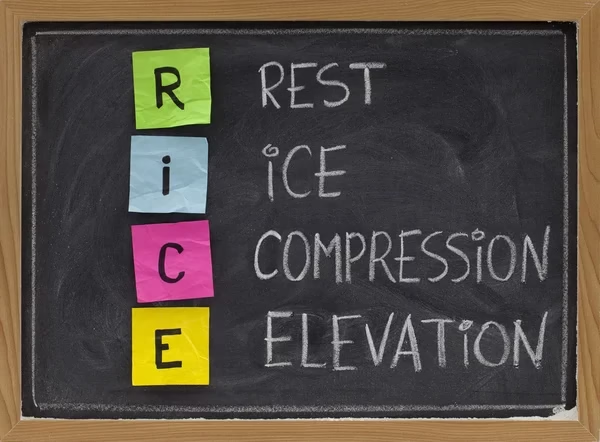
This treatment strategy is a simple, four-step approach to treating minor injuries like sprains, strains, or sore muscles. The RICE method stands for Rest, Ice, Compression, and Elevation—each step working together to reduce swelling, control pain, and speed up healing. Let’s break it down 👇
1. Rest — Protect the Injured Area 🛌
Start by stopping any activity that causes pain or stress to the injured muscle or joint. Your goal is to protect the area and prevent further damage.
- Avoid putting weight on the injury for 24–48 hours.
- Use crutches, a brace, or a sling if needed for support.
- Listen to your body — pain is a sign to stop.
💡 Pro Tip: Use a supportive pillow or cushion to keep the injured limb in a comfortable position while resting.
2. Ice — Reduce Swelling and Pain ❄️
Cold therapy helps limit blood flow, which decreases swelling and numbs pain.
- Apply ice for 15–20 minutes every 2–3 hours during the first two days.
- Always wrap your ice pack in a towel — never apply it directly to your skin.
- Stop if your skin becomes red, pale, or numb.
🧊 Affiliate Tip: Try a gel ice pack with a strap or reusable cold therapy wrap — they stay colder longer and fit comfortably around joints.
🛒Click here to see it on Amazon ➜ Elasto-Gel Therapy Ice Wrap
3. Compression — Limit Swelling 🩵
Use an elastic bandage or compression sleeve to gently squeeze the injured area. This supports the tissue and prevents fluid buildup.
- Wrap from below the injury upward to encourage fluid drainage.
- Keep it snug, but not so tight that it causes numbness or tingling.
- Remove it at night to allow proper circulation.
| Compression Level | Blood Flow | Comfort | Swelling |
|---|---|---|---|
| Light ✅ | Normal | High | Moderate |
| Moderate ✅ | Normal | Comfortable | Low |
| Too Tight ❌ | Restricted | Painful | High |
🩶 Affiliate Tip: Look for adjustable compression sleeves or elastic wraps designed for specific joints like the knee or ankle.
🛒Click here to see it on Amazon ➜ Ortho-Sleeve Medical Grade Compression socks
4. Elevation — Help Fluid Drain 🦵
Raise the injured area above heart level whenever possible. This helps reduce swelling naturally by allowing gravity to pull excess fluid away.
- Use pillows or a soft cushion for comfort.
- Elevate during rest, sleep, or while icing.
- Combine elevation with compression for best results.
🧠 Quick Recap
Applying the RICE method at home doesn’t require fancy equipment — just consistency and care.
- Rest the injured area.
- Ice for 15–20 minutes every few hours.
- Compress to limit swelling.
- Elevate above your heart.
Stick with these four steps during the first 48 hours after injury, and you’ll give your body the best chance to heal quickly and safely. 💪
💡 Why the RICE Method Works for Injury Recovery
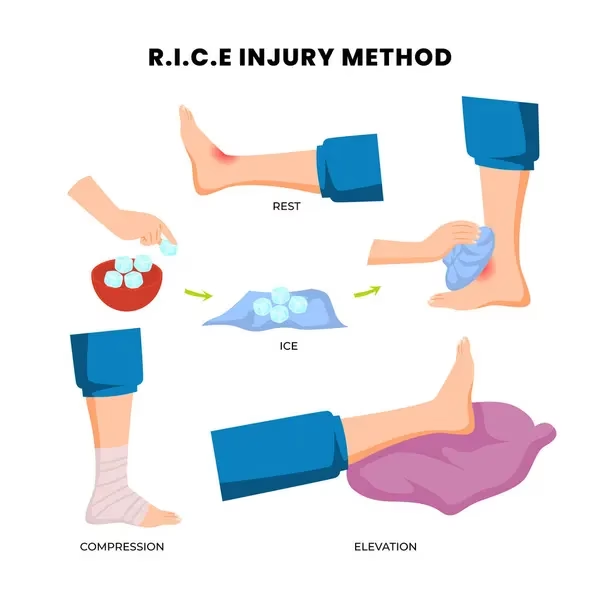
You might wonder, “Does the RICE method really help my body heal?” The answer is yes — when used correctly, it helps your body control inflammation and prevent further damage during the early stages of recovery. Each step plays a key role in the healing process 🩺
1. Reduces Swelling and Inflammation
When you get injured, your body sends fluid to protect the area, which causes swelling. The RICE method helps slow this process.
- Ice and compression lower blood flow, reducing fluid buildup.
- Elevation helps drain excess fluid away from the injury.
2. Controls Pain Naturally
Cold temperatures numb nerve endings, giving fast relief from pain — without the need for heavy medication.
- Ice therapy can reduce muscle spasms and soreness.
- Compression adds gentle pressure, limiting painful movement.
3. Prevents Further Injury
The “Rest” part of the RICE method is all about protection. By pausing activity, you allow damaged tissues to start repairing.
- Continuing to move too soon can lead to re-injury or longer recovery times.
- Short rest periods (24–48 hours) are best—after that, gentle motion helps rebuild strength.
4. Promotes Faster Recovery
By reducing swelling and pain early, the RICE method sets the stage for better healing. Once the inflammation phase calms down, your body can focus on repairing muscles, tendons, and ligaments more effectively.
- Proper RICE use can shorten downtime by several days.
- It’s also the ideal first step before beginning physical therapy or gentle rehab exercises.
🧠 Quick Takeaway
The RICE method works because it targets the body’s natural response to injury — inflammation. By calming that response, it reduces pain, protects tissues, and helps you recover faster. It’s not just about doing less — it’s about healing smarter. 💪
⚠️ Common Mistakes People Make with the RICE Method
The RICE method is simple—but small mistakes can delay healing or make pain worse. Knowing what not to do is just as important as knowing the steps themselves. Here are the most common errors to avoid 👇
❌ 1. Applying Ice for Too Long
Leaving ice on an injury for more than 20 minutes can damage the skin or slow healing by restricting blood flow too much.
✅ Do this instead: Ice in short sessions (15–20 minutes), several times a day, and always use a barrier like a towel.
❌ 2. Wrapping Too Tightly
A compression wrap that’s too tight can cut off circulation, cause numbness, or increase swelling below the injury.
✅ Do this instead: Wrap snugly but check your toes or fingers—if they turn pale, tingle, or feel cold, loosen the bandage immediately.
| Wrap Fit | Circulation | Comfort | Swelling |
|---|---|---|---|
| Proper ✅ | Normal | Comfortable | Reduced |
| Too Tight ❌ | Poor | Painful | Increased |
❌ 3. Resting Too Long
While rest is important in the first 24–48 hours, staying inactive for too long can cause stiffness and muscle weakness.
✅ Do this instead: After swelling and pain decrease, start gentle movement or guided rehab exercises to restore flexibility and strength.
❌ 4. Forgetting Elevation
Many people focus on ice and compression but forget to elevate the injured area—missing out on one of the simplest ways to reduce swelling.
✅ Do this instead: Keep the injured limb raised above heart level as often as possible, especially while resting or sleeping.
❌ 5. Using the RICE Method for Serious Injuries
The RICE method is great for mild sprains, strains, and soreness—but not for severe injuries.
✅ Do this instead: If you experience extreme pain, joint deformity, heavy swelling, or can’t move the limb, see a doctor or physical therapist immediately.
🧠 Quick Takeaway
Using the RICE method correctly means knowing when to rest—and when to move. Stick to short ice sessions, gentle compression, and early elevation. Avoid overdoing any one step, and your recovery will be faster, safer, and smoother. 💪
🔄 RICE Method Alternatives: PEACE and LOVE Explained
The RICE method has been a trusted go-to for decades, but experts now recommend more active recovery strategies. One of the latest approaches combines PEACE and LOVE — two evidence-based frameworks designed to support both the acute and long-term healing process. Together, they offer a more complete path to recovery. 💪
🕊️ PEACE: Protect, Elevate, Avoid Anti-inflammatories, Compress, Educate
The PEACE method focuses on what to do immediately after an injury. It aims to protect the body while encouraging smarter, more informed healing.
Here’s what it stands for:
- Protect: Avoid activities that cause pain or stress to the injured area for the first few days.
- Elevate: Keep the limb raised to reduce swelling.
- Avoid Anti-inflammatories: Let your body’s natural healing response work without too much interference.
- Compress: Use elastic wraps or sleeves to control swelling and support tissues.
- Educate: Learn about your injury, recovery timeline, and the role of movement in healing.
💗 LOVE: Load, Optimism, Vascularization, Exercise
Once the pain and swelling start to decrease, it’s time for LOVE — the active phase of recovery. This stage focuses on movement, mindset, and regaining strength safely.
Here’s what LOVE means:
- Load: Gradually reintroduce movement and weight-bearing exercises as pain allows.
- Optimism: A positive mindset plays a big role in recovery outcomes. Believe in your body’s ability to heal.
- Vascularization: Add light cardio to improve blood flow and tissue repair.
- Exercise: Progressively strengthen the injured area to restore mobility and prevent future injury.
| Method | Focus Phase | Key Goal | Examples |
|---|---|---|---|
| RICE | Acute | Reduce pain & swelling | Rest, Ice, Compress, Elevate |
| PEACE | Immediate post-injury | Protect & educate | Elevate, Compress, Avoid meds |
| LOVE | Recovery & rehab | Strengthen & restore | Movement, Exercise, Optimism |
🧠 PEACE and LOVE vs. RICE: What’s Better?
The RICE method is great for short-term pain relief and inflammation control. But PEACE and LOVE expand on it by promoting active recovery and patient education — helping you not only heal but also come back stronger.
💡 Pro Tip: Think of RICE as the “first 48 hours” approach, and PEACE & LOVE as the next step in recovery
❓ RICE Method FAQ: Common Questions Answered
🩹 1. What is the RICE Method?
The RICE method stands for Rest, Ice, Compression, and Elevation. It’s a simple and effective first-aid approach used to treat minor injuries like sprains, strains, or bruises. The goal is to reduce pain, swelling, and inflammation in the first 24–48 hours after an injury. It’s one of the most trusted recovery methods used by athletes, coaches, and physical therapists.
🧊 2. Is the RICE Method Still the Recommended Approach?
The RICE method is still helpful, especially in the early stages of injury recovery, but it’s no longer the only recommended method. Experts now combine RICE with newer approaches like POLICE and PEACE & LOVE, which encourage safe movement and education instead of complete rest. These updates help improve long-term healing and reduce stiffness or weakness after recovery.
💪 3. Does the RICE Method Still Work?
Yes, the RICE method still works when used correctly and at the right time. It’s most effective for mild to moderate injuries such as ankle sprains, muscle pulls, or joint strains. However, relying only on RICE for too long can slow recovery. Once your pain decreases, gentle movement and strengthening exercises are key to full healing.
🏁 Conclusion: Recover Smarter with the RICE Method
The RICE method stands for — Rest, Ice, Compression, and Elevation — and is more than just an old first-aid rule. It’s a proven recovery strategy that helps reduce pain, control swelling, and speed healing for minor sprains, strains, and soft tissue injuries.
But remember—RICE isn’t the full story. Knowing when to transition to PEACE or LOVE methods, and when to see a professional, makes all the difference in how fast and fully you recover.
📢 Before you go! Sign up below for home recovery tips, injury rehab advice, and therapist-approved gear reviews straight to your inbox!!