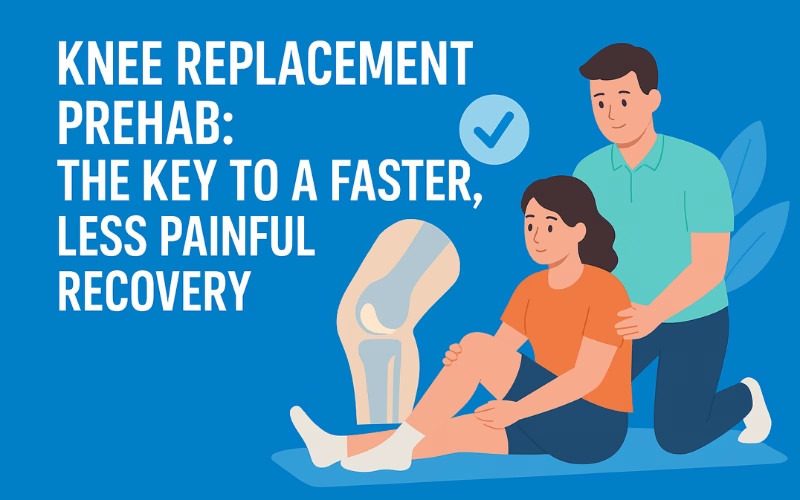
Knee replacement prehab is your secret weapon for a faster, less painful recovery. By strengthening your leg muscles and improving flexibility before surgery, you can reduce post-op pain and get back on your feet sooner. In this 2026 guide, we’ll explore how prehab prepares your body—and mind—for a smoother knee replacement recovery.
Table of Contents
🚨 Looking for an assistive device for your upcoming surgery? Check out this blog post: Assistive Devices for Walking: The Perfect One for Your Recovery to help you find the perfect walking aid to improve stability and increase independence getting around!
🦵 What Is Knee Replacement Prehab and Why It Matters
Knee replacement prehab simply means preparing your body before surgery through targeted exercises, flexibility work, and education. It’s like training before a marathon — you’re building the strength and endurance your knee needs to recover faster once the operation is done.
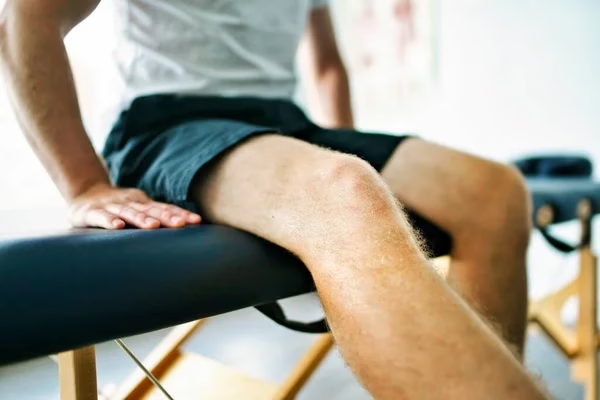
Most patients focus only on post-surgery rehab, but here’s the truth: 💡 starting early can cut your recovery time by weeks. Studies show that people who complete a prehab program often experience less pain, better mobility, and greater confidence going into surgery.
So, what does prehab actually include?
- Strength training – Building up your quadriceps, hamstrings, and glutes to support your new joint.
- Flexibility exercises – Gentle stretches that keep your knee and hip joints moving freely.
- Balance and mobility work – Simple movements that improve coordination and stability.
- Education and mindset prep – Learning what to expect after surgery so you feel calm and ready.
In short, prehab helps you walk into surgery strong and walk out recovering faster. It’s a small investment of effort that pays off with a smoother, less painful recovery. 🏃♂️💪
💪 Top Prehab Exercises Before Knee Replacement Surgery
Doing the right knee replacement prehab exercises can make all the difference in your recovery. These movements build strength, improve joint mobility, and train your muscles to support your new knee after surgery. Aim to perform these exercises 3–4 times a week, or as advised by your physical therapist.
1. Quad Sets 🦵
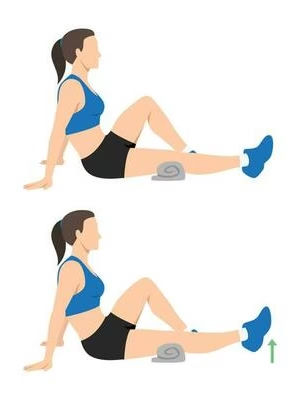
Sit or lie down with your leg straight. Tighten your thigh muscle (the quadriceps) and press the back of your knee gently into the floor. Hold for 5 seconds, then relax.
✅ Benefit: Builds muscle activation and strength to help you walk sooner after surgery.
2. Straight Leg Raises
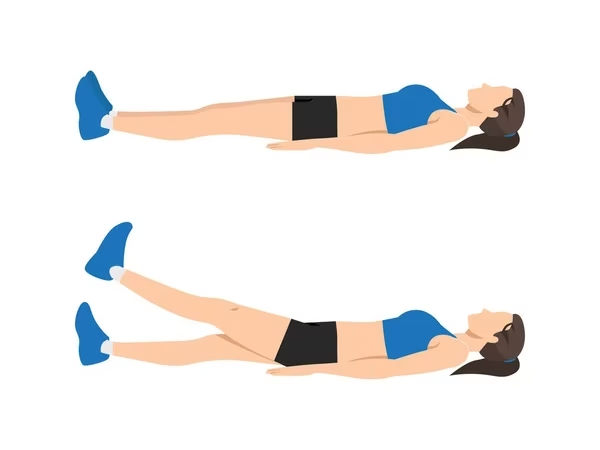
Lie on your back with one knee bent and the other leg straight. Lift the straight leg 12 inches off the ground, hold for 3 seconds, and lower slowly.
✅ Benefit: Strengthens the quads and hips without putting pressure on your knee joint.
3. Heel Slides
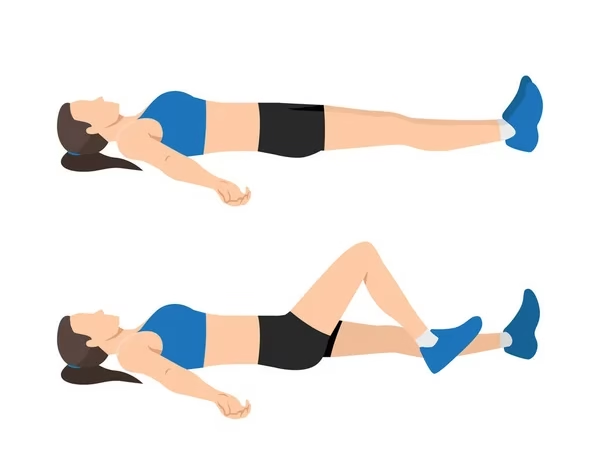
Lie on your back with both legs straight. Slowly slide one heel toward your buttocks, bending your knee as far as possible, then return to the starting position.
✅ Benefit: Improves flexibility and joint motion before surgery.
4. Seated Knee Extensions
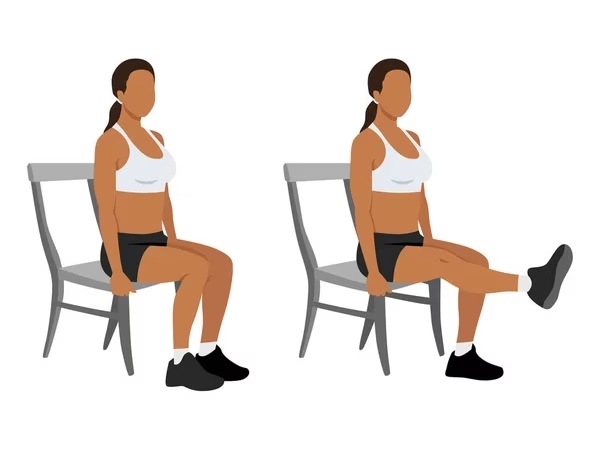
Sit in a chair, straighten your leg until it’s parallel to the ground, hold for 3 seconds, and lower.
✅ Benefit: Strengthens your quadriceps and improves control for post-surgery walking.
5. Mini Squats
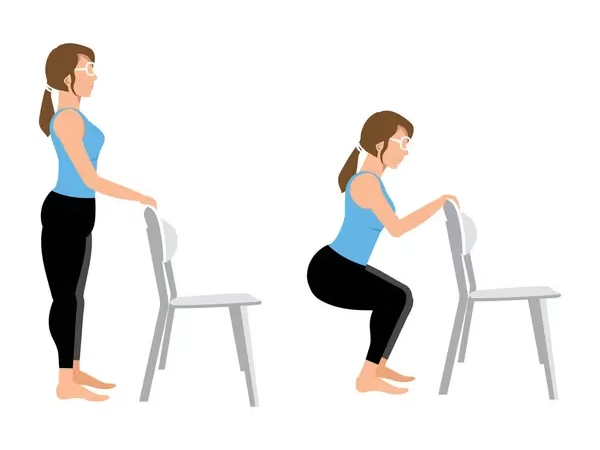
Stand while holding onto a stable surface, like a counter or chair. Slowly bend your knees about 30 degrees, keeping your back straight.
✅ Benefit: Strengthens your thighs, hips, and glutes for better support after surgery.
💡 Pro Tip: Always warm up for 5–10 minutes before exercising — gentle marching in place or using a stationary bike works great. Stop any movement that causes sharp pain and consult your physical therapist for modifications.
🌟 How Prehab Reduces Pain and Improves Recovery Outcomes
One of the biggest benefits of knee replacement prehab is pain control — both before and after surgery. By strengthening muscles, improving flexibility, and training balance ahead of time, you’re helping your body handle stress more efficiently when it’s time to heal.
When your muscles are strong and flexible:
- They absorb more of the pressure that would otherwise go directly to your new joint.
- Circulation improves, which helps deliver oxygen and nutrients to healing tissues.
- Swelling decreases faster after surgery, meaning less stiffness and discomfort.
💬 Think of it this way: Prehab is your body’s “pain prevention plan.” It conditions your muscles and joints to move better, so they don’t have to “catch up” after surgery. That early preparation leads to fewer pain medications, quicker milestones, and a smoother rehab process overall.
In fact, research shows that patients who complete prehab programs experience:
- Up to 30% less post-surgery pain
- Faster walking ability within the first few weeks
- Greater independence in daily activities sooner
That’s the real power of prehab — it doesn’t just make recovery faster, it makes it easier and more comfortable. 🦵✨
🧾 Physical Therapist Tips: Building Strength Before Surgery
If you want your knee replacement prehab to be truly effective, consistency and proper technique are key. As physical therapists often say, “Strong muscles make for smooth recoveries.” The stronger and more balanced your body is before surgery, the faster your new knee will adapt afterward.

Here are a few expert-approved prehab tips to help you get the best results:
1. Start Early ⏰
Begin your prehab at least 4–6 weeks before surgery. This gives your muscles enough time to grow stronger and your body enough time to adjust to the exercises.
2. Focus on Form, Not Force
Good form matters more than heavy effort. Use slow, controlled movements and proper breathing. This protects your joints while maximizing muscle activation.
3. Strengthen Supporting Muscles
Don’t just focus on your knee — strengthen your hips, glutes, and core too. These muscles help stabilize your lower body and reduce extra pressure on your knee joint.
4. Include Low-Impact Cardio ❤️🔥
Try gentle activities like stationary biking, swimming, or walking in water. These boost circulation, improve endurance, and help manage weight before surgery.
5. Stretch Daily
Tight muscles can slow down your recovery. A few minutes of stretching your hamstrings, calves, and quads each day can make movement easier and less painful post-op.
💬 Pro Tip: Ask your physical therapist to design a personalized prehab plan that fits your goals, pain level, and schedule. A few guided sessions before surgery can make a huge difference in your outcome.
📅 Your 4-Week Knee Replacement Prehab Plan (2026 Edition)
To get the most out of knee replacement prehab, consistency is key. The following 4-week plan is designed to help you build strength, flexibility, and confidence before surgery. Each week builds on the last, so your knee — and your whole body — are ready for recovery day. 💪
🗓️ Week 1: Activate and Educate
Focus: Gentle movement and muscle awareness.
- Perform quad sets, heel slides, and ankle pumps daily.
- Add light stretches for your quads and hamstrings.
- Learn about your upcoming surgery and post-op expectations.
Goal: Get comfortable with basic prehab exercises and movement patterns.
🗓️ Week 2: Build Strength and Stability
Focus: Strengthen your legs and improve balance.
- Add straight leg raises and seated knee extensions (2–3 sets of 10).
- Try standing mini squats while holding a chair.
- Begin light stationary cycling (5–10 minutes daily).
Goal: Build muscle control and joint stability while maintaining flexibility.
🗓️ Week 3: Increase Endurance and Flexibility
Focus: Improve stamina and range of motion.
- Continue earlier exercises with longer holds or more reps.
- Add gentle step-ups or side leg lifts.
- Stretch after every session to keep muscles relaxed.
Goal: Prepare your body for higher activity levels and reduce stiffness.
🗓️ Week 4: Fine-Tune and Prepare
Focus: Maintain strength and confidence heading into surgery.
- Perform your favorite 4–5 prehab exercises daily.
- Add short walks or water aerobics for endurance.
- Visualize your recovery process — mindset matters! 🧘♂️
Goal: Enter surgery strong, mobile, and mentally ready for success.
💬 Pro Tip: Listen to your body. If an exercise causes sharp pain, stop and consult your physical therapist. Progress is about consistent effort — not pushing through discomfort.
❓ FAQ: Questions to Ask Before Knee Replacement Surgery
🏥 1. Is knee replacement surgery safe?
Yes — knee replacement surgery is considered very safe when performed by an experienced surgeon. Advances in surgical techniques, anesthesia, and infection prevention have greatly reduced risks. Most patients recover without major complications. However, like any surgery, there are small risks such as infection, blood clots, or stiffness. Following your surgeon’s instructions and doing your knee replacement prehab can help lower these risks and improve outcomes.
⏳ 2. How long is recovery from knee surgery?
Recovery time varies, but most people walk with assistance within a few days and return to normal activities within 6–12 weeks. Full recovery, including strength and flexibility, may take up to 6 months or more, depending on your age, fitness level, and pre-surgery condition. Doing prehab exercises before surgery often shortens recovery time and helps you move more comfortably afterward.
🦵 3. What are the alternatives to knee replacement?
If your arthritis or joint pain isn’t severe, your doctor may suggest non-surgical treatments first. These include:
- Physical therapy and exercise programs
- Weight management
- Anti-inflammatory medications
- Corticosteroid or gel injections
- Bracing or assistive devices
In some cases, procedures like partial knee replacement or arthroscopic surgery may also help. Always discuss these options with your orthopedic specialist before deciding on full knee replacement.
🧠 Final Thoughts: How Prehab Sets the Stage for Success
When it comes to knee replacement surgery, success starts before you ever step into the operating room. Knee replacement prehab builds the strength, flexibility, and confidence your body needs to recover faster and with less pain.
By investing just a few weeks in prehab, you’re giving yourself:
- 💪 Stronger muscles to support your new joint
- 🧠 Better body awareness for safer movements after surgery
- ❤️ Improved circulation and healing for reduced swelling
- ⚡ Faster recovery milestones — like walking sooner and needing fewer pain meds
It’s simple: the more prepared your body is, the smoother your road to recovery will be. Prehab isn’t just physical training — it’s a mindset of readiness and resilience.
If you’re planning a knee replacement in 2026, start your prehab journey today. Small daily actions can lead to big results when it matters most. 🌟
📢 Before you go! Sign up below for home recovery tips, injury rehab advice, and therapist-approved gear reviews straight to your inbox!!