If you’re dealing with a torn meniscus, you’re not alone. This common knee injury affects athletes, active adults, and even older adults as the joint wears down over time. A torn meniscus can cause sharp pain, swelling, or even a “locking” feeling in your knee. But what does it really mean, and how do you recover?
In this 2026 guide, we’ll break down the key symptoms, the most common causes, and the recovery options that actually work. Whether you’re hoping to avoid surgery, looking for the best exercises, or just want to know how long recovery takes, this post will give you clear answers and practical tips.
Table of Contents
🚨 Have hip pain and looking for symptom relief? Check out my previous post: 3 Simple Stretches and Exercises to Relieve Hip Pain Fast or other related posts throughout this site.
🏁 What Is a Torn Meniscus? (Knee Joint Basics)
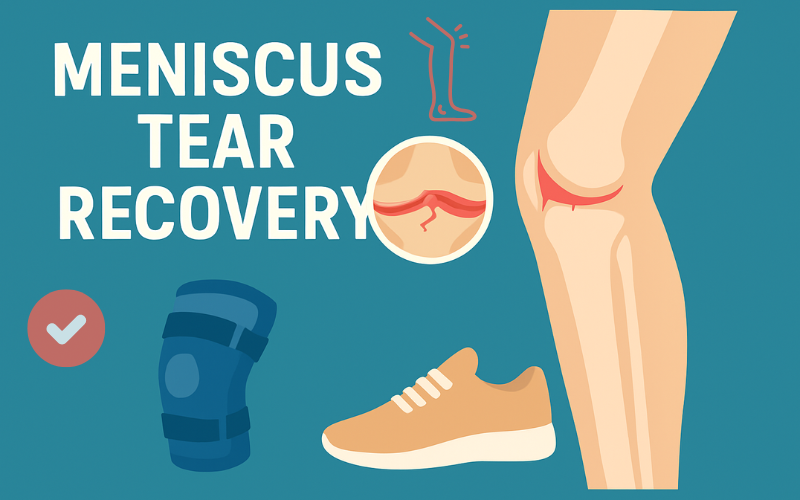
The meniscus is a piece of cartilage shaped like a “C” that sits inside your knee joint. You actually have two in each knee—one on the inside (medial) and one on the outside (lateral). Their main job is to absorb shock, provide cushioning, and keep your knee stable during movement.
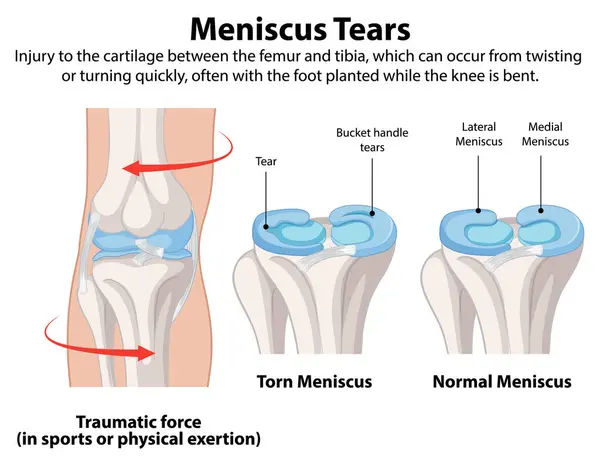
A torn meniscus happens when this cartilage gets damaged. The tear can range from small and minor to large and painful. Some people feel a “pop” when it happens, while others only notice swelling and stiffness later.
There are different types of meniscus tears:
- Small tears – may cause mild pain and often heal with rest and therapy.
- Moderate tears – may cause swelling, discomfort, and trouble bending or straightening the knee.
- Severe tears – can lead to locking, catching, or the knee giving out. These often need surgery.
Why does this matter? A healthy meniscus is critical for joint protection. Without it, the bones in your knee can rub against each other, leading to arthritis or long-term damage.
🦵 Common Symptoms of a Torn Meniscus
If you have a torn meniscus, the symptoms can vary depending on the type and severity of the tear. Some signs appear right away, while others develop slowly over time.
Here are the most common symptoms:
- Knee pain – A sharp or aching pain along the joint line is the most noticeable symptom. 😖
- Swelling or stiffness – Your knee may swell within 24–48 hours and feel tight. ❌
- Popping or clicking sounds – You might hear a pop when the tear occurs or feel a clicking sensation when bending the knee. 🔊
- Limited range of motion – Bending or straightening the knee may feel difficult or uncomfortable. 🔄
- Locking or catching – In severe tears, your knee may get stuck in one position or give way unexpectedly. ⚠️
Why it matters: Recognizing these symptoms early can help prevent further injury and guide you to the right treatment. Ignoring them can lead to more serious knee problems, including long-term instability or arthritis.
⚡ Causes of a Torn Meniscus (Sports, Aging, and Everyday Injuries)
A torn meniscus can happen to anyone, but the reasons often depend on your age and activity level. Understanding the common causes can help you avoid future injuries.
Main Causes of a Torn Meniscus:
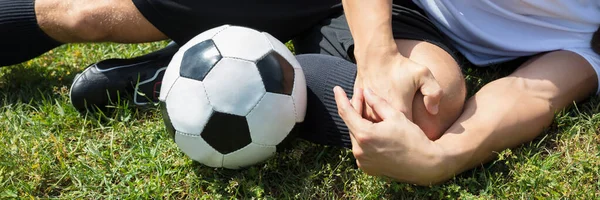
- Sports injuries 🏀⚽ – Quick twists, pivots, or sudden stops in sports like basketball, soccer, and tennis are leading causes. Athletes are at high risk.
- Heavy lifting or sudden movements 💪 – Bending while carrying something heavy or making a fast movement can strain and tear the meniscus.
- Aging and wear-and-tear ⏳ – As we age, the cartilage weakens and becomes thinner. Even simple activities, like standing up quickly, can trigger a tear.
- Accidents or falls 🚑 – A direct blow to the knee or awkward landing can also damage the meniscus.
Degenerative vs. Traumatic Tears
- Traumatic tears: Usually happen in younger or active people during sports or accidents.
- Degenerative tears: More common in adults over 40 due to natural joint wear.
Why it matters: Knowing the cause helps determine the best recovery path. For example, athletes often need rehab focused on stability and strength, while older adults may benefit more from low-impact exercises and joint protection strategies.
🤔 Can a Torn Meniscus Heal on Its Own?
One of the most common questions people ask is: “Can a torn meniscus heal without surgery?” The answer depends on the type and location of the tear.
Healing Factors to Consider:
- Blood supply 💉 – The meniscus has two zones:
- Outer zone (red zone) has better blood flow, which means tears here can sometimes heal on their own.
- Inner zone (white zone) has very little blood flow, making healing without treatment less likely.
- Size of the tear 📏 – Small tears may heal with rest, ice, and physical therapy, while large or complex tears often require surgery.
- Age and activity level ⏳🏃 – Younger, active people may heal faster than older adults with degenerative tears.
Bottom line: Some torn meniscus injuries can heal on their own, but many require guided rehab or surgery for full recovery. Getting a proper diagnosis is the safest way to know your next step.
🩺 Torn Meniscus Recovery Options (Non-Surgical and Surgical Treatments)
Recovering from a torn meniscus depends on how severe the injury is, where the tear is located, and your activity level. Treatment usually falls into two main categories: non-surgical and surgical.
Non-Surgical Treatments ✅
Many people recover without surgery, especially if the tear is small or in the outer (red) zone.
- RICE method (Rest, Ice, Compression, Elevation) ❄️ – Helps reduce swelling and pain.
- Medications – Over-the-counter pain relievers like ibuprofen can ease discomfort.
- Physical therapy 💪– Targeted exercises improve strength, flexibility, and stability.
- Knee braces and supports 🦵 – Provide extra stability and reduce stress during movement.
Looking for extra support? Check out the Best Knee Brace for Torn Meniscus Recovery on Amazon. It’s lightweight, adjustable, and designed to keep your knee stable while you move.
💡 Pro tip: Pair your brace with low-impact exercises, like cycling or swimming, to strengthen your muscles without overloading the joint.
Physical Therapy & Exercises 💪
Physical therapy is one of the best ways to recover naturally. A PT may recommend:
- Gentle range-of-motion stretches.
- Strengthening moves for the quads and hamstrings.
- Low-impact cardio like cycling or swimming.

Surgical Treatments 🏥
When the tear is large, complex, or in the white zone, surgery may be needed. Common options include:
- Arthroscopic meniscectomy – Removing the damaged part of the meniscus.
- Meniscus repair – Sewing the torn pieces back together.
- Meniscus replacement (allograft) – Rare, but sometimes used if damage is severe.
Recovery after surgery often requires a structured rehab program, starting with crutches and progressing to full activity over several months.
🚶♂️💪 Walking and Exercising with a Torn Meniscus (Do’s and Don’ts)
Many people wonder: “Can I still walk or exercise with a torn meniscus?” The answer is usually yes—but only if you do it safely. Walking and light exercise can actually support healing by keeping your muscles strong and blood flowing. The key is to avoid movements that put too much stress on the knee.
✅ Do’s
- Walk short distances on flat surfaces to maintain mobility. 🚶♀️
- Wear supportive shoes with cushioning to reduce knee stress. 👟
- Use a knee brace or sleeve for added stability. 🦵
- Choose low-impact exercises like cycling, swimming, or using an elliptical. 🚴♂️🏊
- Strengthen supporting muscles (quads, hamstrings, glutes) through PT-approved exercises.
❌ Don’ts
- Avoid running, sprinting, or jumping—these increase impact. 🏃♂️💥
- Don’t squat deeply or twist suddenly while exercising. 🔄
- Skip uneven terrain when walking—it raises the risk of aggravating the tear. 🌄
- Avoid heavy lifting until cleared by your PT or doctor.
Why It Matters
Safe movement helps prevent stiffness, improves circulation, and supports long-term knee health. The wrong movements, however, can worsen the tear and extend recovery time.
⏳👨⚕️ Torn Meniscus Recovery Timeline & When to See a Doctor
Recovering from a torn meniscus depends on the type of tear, treatment approach, and your overall health. While every case is unique, here’s a general timeline to help set expectations.
🗓️ Typical Recovery Timeline
- Small tears (non-surgical): 4–6 weeks with rest, PT, and bracing.
- Moderate tears (non-surgical): 6–8 weeks of rehab before returning to normal activities.
- Surgical repair: 3–6 months, since the meniscus needs time to heal after stitches.
- Meniscectomy (removal of damaged tissue): 6–8 weeks for most people, sometimes longer if you’re highly active.
🚩 When to See a Doctor
You should contact a healthcare provider if you experience:
- Severe swelling that does not improve ❌
- Knee “locking” or getting stuck in one position 🦵
- Sharp, worsening pain even at rest ⚡
- Difficulty walking or putting weight on the knee 🚶♂️
- Recurrent giving-way or instability of the joint

These could be signs of a larger tear or additional damage that needs medical attention.
🦵✨ Final Thoughts on Torn Meniscus Recovery
A torn meniscus can feel overwhelming, but the good news is most people recover well with the right approach. Understanding the symptoms, knowing the causes, and following safe recovery options—from physical therapy to bracing or, in some cases, surgery—are the keys to healing.
Remember:
- Small tears often improve with rest, PT exercises, and supportive gear.
- Larger or complex tears may need surgery and a structured rehab plan.
- Listening to your body and getting help early can prevent long-term damage.
💡 Pro tip: Investing in the right tools, like a supportive knee brace, quality walking shoes, or simple PT equipment (resistance bands, foam rollers), can make recovery smoother and faster.
Healing takes time, but with patience, the right guidance, and consistent rehab, you can return to the activities you love safely.
📢 Before you go! Sign up below for home recovery tips, injury rehab advice, and therapist-approved gear reviews straight to your inbox!!