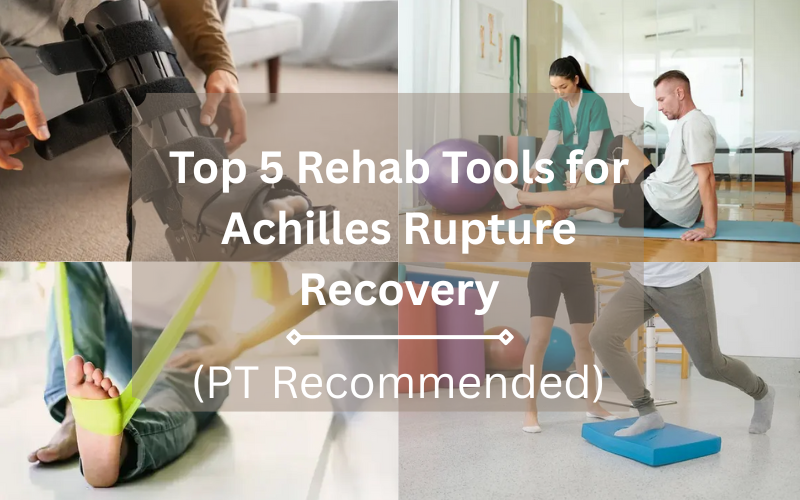
Looking for the best rehab tools for Achilles rupture recovery? You’re in the right place. Healing from an Achilles tear isn’t easy—but the right tools can make it a lot smoother. Whether you’re fresh out of surgery or working through rehab at home, using the right gear can help reduce pain, boost strength, and get you back on your feet faster. In this post, I’ll share five physical therapist–recommended tools that truly support your healing. A few might surprise you!
Table of Contents
🚨Looking for more information about Achilles Tendon Rupture Recovery? Check out our Achilles Rupture Recovery Without Surgery: What to Expect 2026 blog or other related posts throughout this site.
🦵 Intro: What Is an Achilles Tendon Rupture?
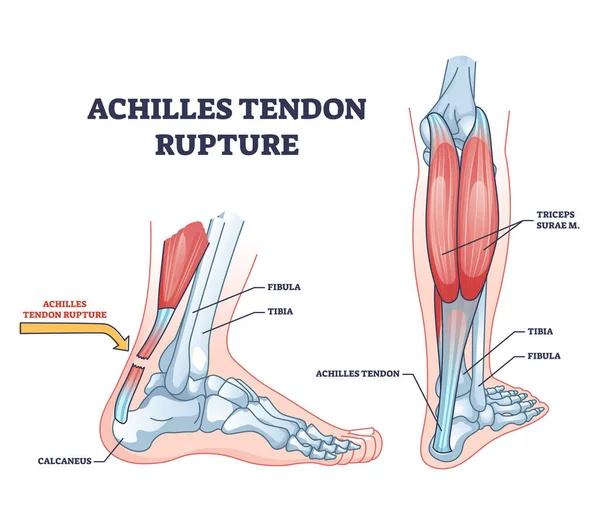
An Achilles tendon rupture is a tear in the tendon that connects your calf muscles to your heel. It often happens suddenly—sometimes during sports or even from a simple step. You might hear a “pop” or feel like someone kicked the back of your leg.
This injury can make it hard—or even impossible—to walk, push off your foot, or stand on your toes. Most people feel pain, swelling, and weakness in the lower leg.
Treatment can include surgery or non-surgical rehab, followed by months of healing. That’s where the right rehab tools for Achilles rupture recovery come in. They help you regain strength, improve balance, and avoid long-term issues like stiffness or weakness.
👉 If you’re recovering from this injury, using proper tools at home can make a big difference in how fast—and how well—you heal.
1. 💪Resistance Bands for Calf and Ankle Strengthening
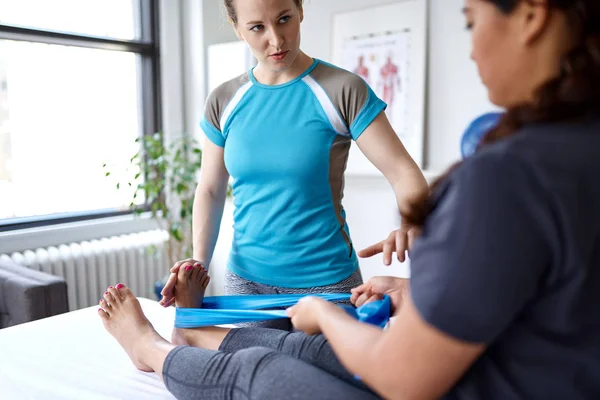
Why are resistance bands a top rehab tool for Achilles rupture recovery? Because they’re simple, affordable, and extremely effective. After an Achilles injury, your calf muscles and ankle lose strength fast. Resistance bands help you slowly rebuild that strength without putting too much stress on your healing tendon.
What makes them great?
- They come in different tension levels—so you can start light and move up as you get stronger.
- You can use them for a wide range of exercises like plantarflexion, dorsiflexion, ankle circles, and calf presses.
- They’re easy to carry, store, and use at home or even while traveling.
💡Pro Tip: Start with low resistance and short reps. Focus on good form, not speed. Too much tension too soon can slow your recovery.
Best for: Mid to late rehab phase (usually after 6–8 weeks, depending on your PT’s advice).
🛒Click here to see it on Amazon ➜ Theraband – Resistance Bands Set
2. 🟦Balance Pad for Stability Training
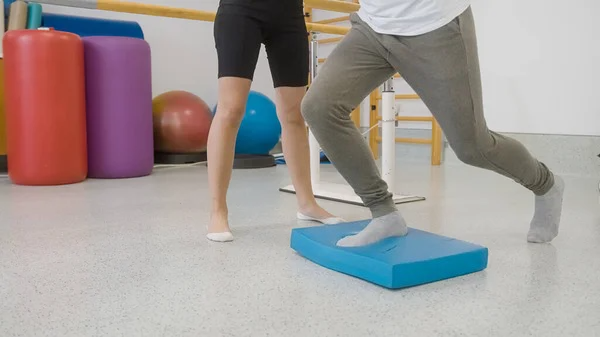
One of the biggest challenges after an Achilles rupture is regaining balance and ankle stability. As the tendon heals, your body needs to relearn how to stabilize and control movement through your foot and leg. This is where a balance pad becomes one of the most effective rehab tools for Achilles rupture recovery.
Why are they so helpful?
- They strengthen small stabilizer muscles around the ankle and calf.
- They improve proprioception—your brain’s ability to sense where your foot is in space.
- They make rehab more functional by mimicking real-life movement challenges.
When to use: These tools are best in the later stages of rehab (usually after 10–12 weeks), once you’re cleared to bear full weight and ready for more dynamic movements.
💡Safety Tip: Always use a sturdy surface nearby for support when starting out. Begin with a balance pad before progressing to a wobble board.
🛒Click here to see it on Amazon ➜ ProsourceFit Exercise Balance Pad
3. 🦶Walking Boot with Adjustable Support
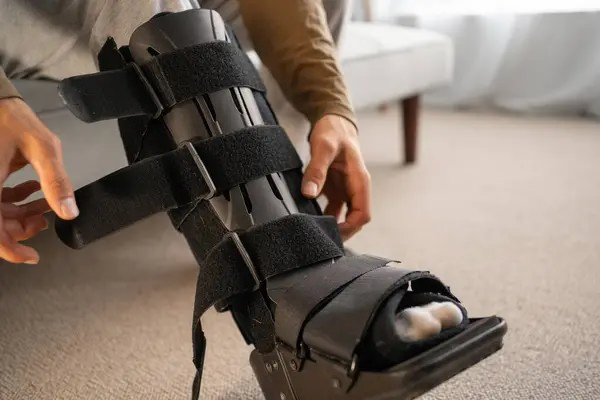
In the early stages of Achilles rupture recovery—especially after surgery—a walking boot is often essential. It helps protect the tendon while allowing limited movement. A high-quality boot can reduce pain, prevent re-injury, and support proper healing.
Why it’s a key rehab tool for Achilles rupture:
- It limits ankle movement while still allowing you to walk.
- Adjustable straps and heel wedges help shift pressure off the tendon.
- It helps bridge the gap between non-weight-bearing and full walking.
When to use:
Usually recommended in the first 6–8 weeks after injury or surgery, based on your surgeon or physical therapist’s advice. Some people transition out of the boot gradually using heel lifts.
✅What to look for:
- Adjustable heel height or wedges
- Lightweight and breathable design
- Rocker bottom sole for easier walking
🛒Click here to see it on Amazon ➜ United Ortho Walking Boot
4. ❄️Cold Therapy + Compression Wrap
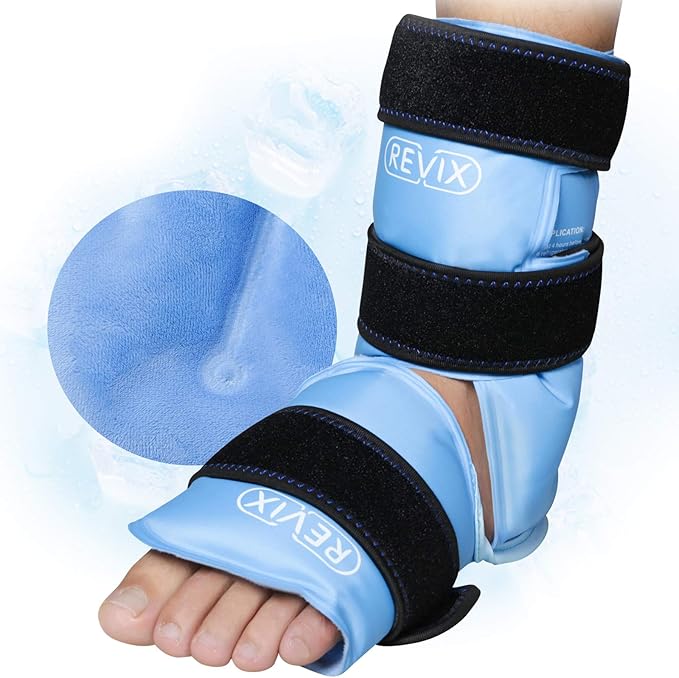
Swelling and pain are major challenges in the early stages of Achilles rupture recovery. That’s where a cold therapy and compression wrap can make a big impact. It helps control inflammation, manage pain, and promote faster healing—especially after exercise or physical therapy sessions.
Why it’s one of the best rehab tools for Achilles rupture:
- Cold therapy reduces swelling and numbs sore tissues.
- Compression supports circulation and reduces fluid buildup.
- It’s reusable, easy to apply, and great for home use.
When to use:
This tool is ideal for the early to mid-stage of recovery. Use it 15–20 minutes after rehab exercises, or anytime you feel soreness or swelling.
💡Tip for best results: Elevate your leg while icing to maximize the benefits.
🛒Click here to see it on Amazon ➜ REVIX Ankle Ice Pack Wrap
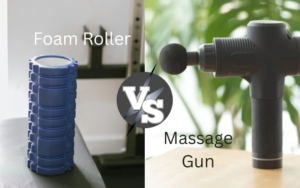
5. ✴️Massage Gun or Foam Roller for Calf Release
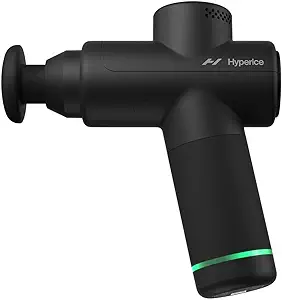
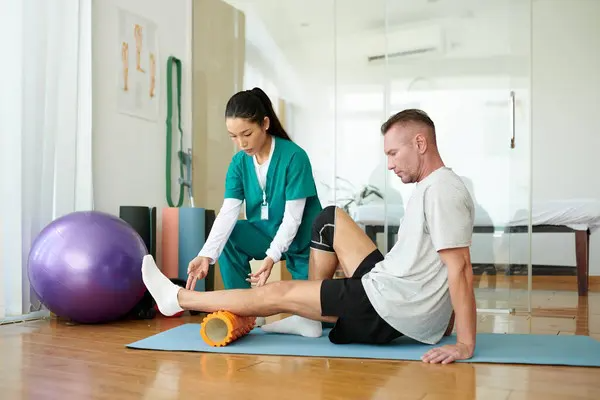
As you recover from an Achilles rupture, tight calf muscles can put extra strain on your healing tendon. That’s why soft tissue work—like using a massage gun or foam roller—can play a key role in rehab. These tools improve flexibility, reduce muscle tension, and boost blood flow to the area.
Why it’s a valuable rehab tool for Achilles rupture:
- Helps loosen up stiff calf and lower leg muscles
- Can reduce soreness and improve ankle mobility
- Encourages better movement patterns during walking and exercises
When to use:
Best in the mid to late rehab phase, once you’re cleared for more active movement. Use before workouts to warm up and after to cool down.
⚠️Caution: Do not apply deep pressure directly on the Achilles tendon—focus on the calf and surrounding areas instead.
🛒Click here to see it on Amazon ➜ Foam Roller High Density 13″ Exercise Roller
🛒Click here to see it on Amazon ➜ Hyperice Hypervolt Go 2 – Black
❓ Frequently Asked Questions (FAQ)
1. What are the best rehab tools for Achilles rupture recovery at home?
Top rehab tools for Achilles rupture include resistance bands, balance pads, a walking boot, cold wraps, and a massage gun or foam roller. These help reduce pain, rebuild strength, and improve mobility. Choose tools based on your recovery phase and use them consistently for the best results.
2. How can I safely strengthen my calf after an Achilles rupture?
Start with gentle resistance band exercises and heel raises for calf strengthening. Gradually increase difficulty as you heal. Avoid sharp pain, and always follow your PT’s advice to prevent re-injury.
3. Which exercises improve ankle strengthening during Achilles recovery?
Begin with ankle circles and banded pumps. Add balance drills using a foam pad as strength improves. These tools support ankle strengthening while promoting better control and stability during Achilles recovery.
✅ Conclusion: Build a Stronger Recovery with the Right Tools
Recovering from an Achilles rupture takes time, patience, and the right support. These rehab tools for Achilles rupture—from resistance bands to massage guns—can make your recovery smoother, safer, and more effective. Each tool plays a role in building strength, improving mobility, and getting you back on your feet with confidence.
As a physical therapist assistant, I’ve seen firsthand how using the right equipment at home can speed up healing and reduce setbacks. Whether you’re in the early stages or working on advanced rehab, these tools are designed to meet you where you are.
📢Ready to take the next step in your recovery?
Explore the tools above, choose the ones that match your phase of healing, and commit to using them regularly. Your future self will thank you.