Flat feet are more common than many people realize — yet most don’t fully understand what they mean for their health. When the arches in your feet are low or collapsed, it can change the way you walk, stand, and even how your body feels from head to toe. Some people live with flat feet without pain, while others develop discomfort in their feet, knees, hips, or back. In this guide, we’ll break down the main causes, warning signs, and possible long-term effects, plus the best ways to treat and support them so you can move with comfort and confidence.
Table of Contents
🚨 Looking for more information about Sciatica? Check out our Ultimate guide to sciatica or other related posts throughout this site.
🏁 What Are Flat Feet?
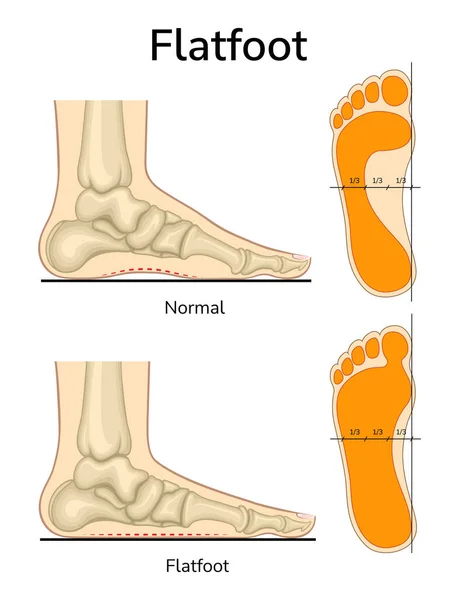
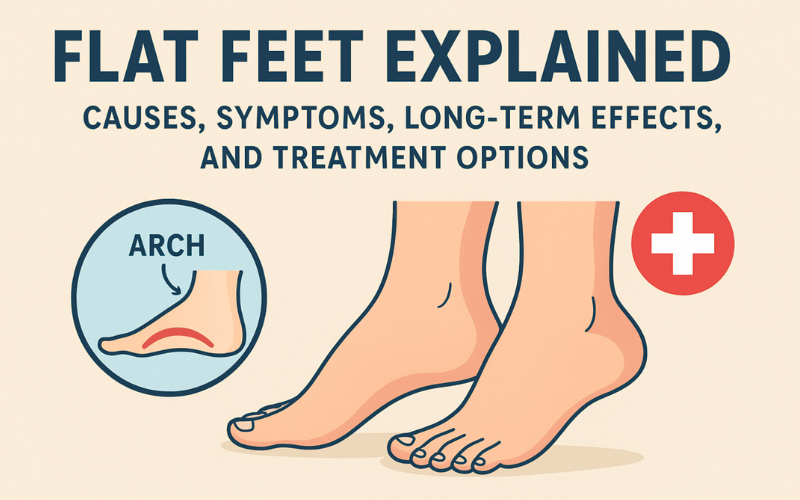
Flat feet occur when the arches on the inside of your feet are low or completely collapsed. Instead of curving upward, the entire sole touches the ground when you stand. This change in foot shape can affect balance, walking patterns, and how weight is distributed across your body.
There are two main types of flat feet:
- Flexible Flat Feet – The arch appears when you’re sitting or on tiptoe, but flattens when standing.
- Rigid Flat Feet – The arch is always flat, whether you’re sitting or standing.
Some people are born with flat feet, while others develop them later due to injury, age, or medical conditions. Although flat feet are not always painful, they can lead to foot, knee, hip, or back discomfort over time.
🟡 Common Causes
Understanding what causes flat feet can help you prevent problems or manage symptoms early. While some people are born with low arches, others develop them over time. The most common causes include:
- Genetics – If your parents or close relatives have flat feet, you’re more likely to have them too.
- Injury or Trauma – Damage to the foot or ankle, such as a fracture or torn tendon, can cause the arch to collapse.
- Aging – Over time, the tendons and ligaments in your feet can weaken, leading to fallen arches.
- Obesity – Carrying extra weight puts more strain on the arches, which can flatten them over time.
- Medical Conditions – Arthritis, diabetes, or nerve problems can affect foot structure and lead to flat feet.
- Pregnancy – Hormonal changes and added weight can temporarily flatten arches in some women.
🩺 Symptoms
Not everyone with flat feet experiences pain, but certain signs can indicate your arches are affecting the way your body moves. These symptoms can range from mild to severe:
- Foot Pain or Tenderness – Often felt in the arch, heel, or along the inside of the foot.
- Swelling – Especially around the ankle or arch area after standing or walking for long periods.
- Tired or Achy Feet – Feeling fatigue in your feet more quickly than usual.
- Knee, Hip, or Back Pain – Misalignment from flat feet can create extra stress on joints higher up the body.
- Changes in Walking Pattern – You may notice your feet roll inward (overpronation) when walking or running.
- Reduced Flexibility – Difficulty standing on your toes or lifting the arch off the ground.

These symptoms can worsen with activity, weight gain, or wearing unsupportive shoes. If discomfort is consistent or severe, it’s worth seeking a professional evaluation.
⚠️ Long-Term Effects of Flat Feet
If left untreated, flat feet can cause lasting problems:
- Joint Pain – Extra stress on ankles, knees, hips, and back.
- Postural Changes – Inward rolling (overpronation) affects alignment and balance.
- Lower Performance – Sports and activities may feel harder due to poor foot mechanics.
- Injury Risk – Higher chance of shin splints, tendonitis, and plantar fasciitis.
- Faster Shoe Wear – Uneven tread breakdown from altered gait.
💊 Treatment Options for Flat Feet
Treatment depends on symptoms and severity. While some people don’t need medical care, others benefit from support and targeted exercises.
- Supportive Shoes – Choose footwear with firm arch support and cushioning.
- Orthotic Insoles – Custom or store-bought inserts can improve alignment and reduce pain.
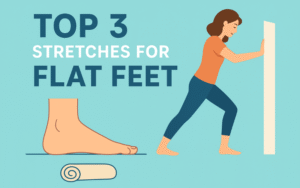
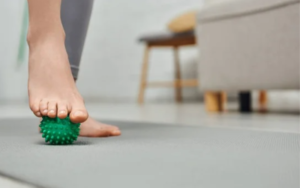
- Foot & Calf Exercises – Strengthening and stretching the muscles that support the arch can improve stability.
- Weight Management – Reducing excess body weight eases stress on the arches.
- Physical Therapy – Guided programs can correct walking patterns and improve function.
- Surgery – Rarely needed, but an option if severe pain doesn’t respond to other treatments.

🛡️ Prevention & Self-Care Tips
Even if you already have flat feet, daily habits can reduce discomfort and prevent problems from getting worse.
- Wear Supportive Footwear – Avoid thin, flat shoes. Look for firm arch support and cushioned soles.
- Do Regular Foot Exercises – Stretch calves, strengthen arches, and improve ankle mobility.
- Maintain a Healthy Weight – Less pressure on your arches means less strain overall.
- Replace Worn Shoes – Old shoes lose support and can worsen foot mechanics.
- Listen to Your Body – Rest and seek treatment early if you feel persistent pain.
🛠️Helpful Products & Tools for Flat Feet
| Product | Description | Benefits | Affiliate Link |
|---|---|---|---|
| Brooks Adrenaline GTS Running Shoes | Supportive running/walking shoes with strong arch support and cushioning. | Reduces overpronation, improves stability, all-day comfort. | 🛒 Shop Now |
| Dr. Scholl’s Custom Fit Orthotic Inserts | Contoured insoles designed to support flat arches and relieve pain. | Improves alignment, reduces foot/knee/back strain. | 🛒 Shop Now |
| TheraBand Foot Roller | Compact massage roller for arch and heel relief. | Eases plantar fasciitis pain, improves circulation, promotes recovery. | 🛒 Shop Now |
| FitBeast Resistance Band Set | Resistance bands for arch-strengthening and ankle mobility exercises. | Builds muscle support for arches, improves flexibility. | 🛒 Shop Now |
🧠 Final Thoughts
Flat feet are common and not always a problem, but they can affect your comfort, posture, and mobility if left unmanaged. By understanding the causes, spotting symptoms early, and using the right treatments—like supportive shoes, orthotic insoles, and targeted exercises—you can protect your feet and improve overall body alignment. Small daily habits can make a big difference in preventing pain and keeping you active for years to come.
📢 Before you go! Sign up below for home recovery tips, injury rehab advice, and therapist-approved gear reviews straight to your inbox!!