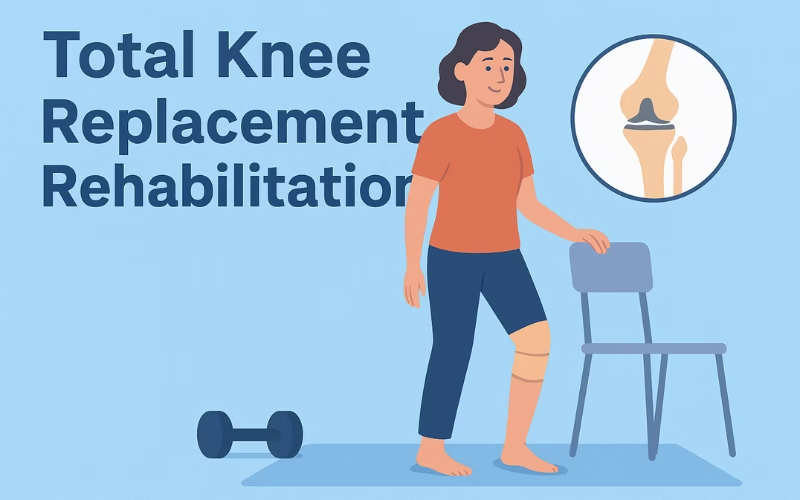
Total Knee Replacement Rehabilitation is the key to getting your strength, balance, and movement back after surgery. Whether you’re preparing for your procedure or starting recovery at home, it’s normal to have questions. How soon can I walk? What exercises are safe? Which tools make recovery easier? This guide will walk you step by step through the 2026 rehab timeline, the best PT-recommended exercises, and proven tips to speed healing so you can return to the activities you love.
Table of Contents
🚨 Suffering from Hip Pain? Check out our 3 Simple Stretches and Exercises to Relieve Hip Pain Fast for tips to alleviate your pain symptoms today.
🏁 What Is Total Knee Replacement Rehabilitation?
Total Knee Replacement Rehabilitation is the recovery process that begins right after surgery and continues for weeks or months. The goal is simple: help you regain strength, improve balance, and return to daily activities without pain.
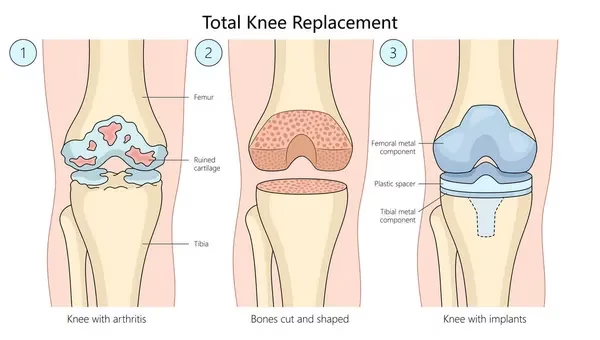
Rehab is just as important as the surgery itself. Without the right plan, your new knee may stay stiff, weak, or painful. With the right plan, you can walk confidently, climb stairs, and get back to the activities you love.
Why is rehabilitation so important?
- Faster recovery – Patients who follow a structured rehab program recover up to 30% quicker than those who don’t.
- Better mobility – Rehab improves your ability to bend, straighten, and move without stiffness.
- Stronger muscles – Targeted exercises build strength in your quads, hamstrings, and glutes, which support your new knee.
- Lower risk of problems – Proper rehab reduces swelling, pain, and the chance of complications.
👉 Think of rehab as your roadmap to success. Surgery gives you a new knee, but rehab teaches your body how to use it.
⌛✨ Total Knee Replacement Recovery Timeline
Every patient heals at a different pace, but most follow a similar path after surgery. Knowing what to expect can help you stay motivated and avoid frustration.
🗓️ Week 1–2: Managing Pain and Swelling
- Focus on R.I.C.E. – rest, ice, compression, and elevation.
- You’ll start gentle exercises like ankle pumps and quad squeezes.
- Walking short distances with a walker or crutches is normal.
- Aim to bend your knee 70–90 degrees by the end of this stage.
🗓️ Weeks 3–6: Regaining Strength and Range of Motion
- Exercises get more challenging, including straight leg raises and gentle knee bends.
- Swelling should start to decrease, though some stiffness is normal.
- Many patients can transition from a walker to a cane.
- Goal: bend your knee past 100 degrees and straighten it fully.
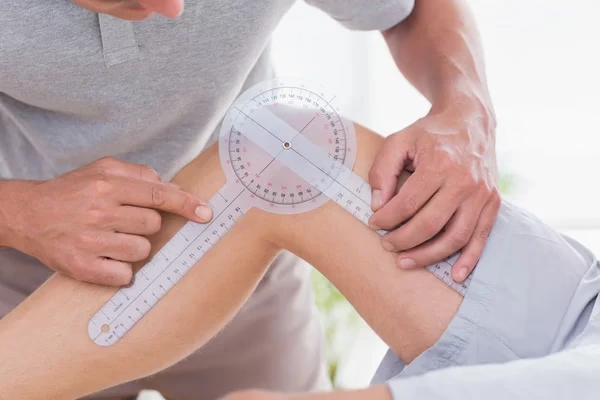
🗓️ Weeks 7–12: Building Confidence and Independence
- Strength training becomes a priority (bands, ankle weights, or stationary bike).
- Balance and stability exercises help reduce fall risk.
- Most people walk without a cane and can drive again if cleared by their doctor.
- Goal: bend your knee 120 degrees or more and walk longer distances.
🌟 Long-Term Recovery: 3 Months and Beyond
- By 3–6 months, most patients return to normal activities like hiking, swimming, or golfing.
- Light sports and fitness routines are possible if approved by your surgeon.
- Remember: complete healing can take up to 12 months, so patience is key.
👉 Your recovery timeline isn’t a race. Small, consistent progress is better than pushing too hard and risking injury.
🏋️ Best Total Knee Replacement Exercises
Exercise is the most important part of Total Knee Replacement Rehabilitation. The right movements keep your knee from getting stiff and help you build strength safely. Always follow your surgeon or physical therapist’s instructions, but here are the most common exercises recommended in 2026:
🦶 Early Stage (Week 1–2) – Gentle Motion and Circulation
- Ankle Pumps – Move your foot up and down to improve blood flow.
- Quad Sets – Tighten the thigh muscles, hold for 5–10 seconds, then relax.
- Heel Slides – Slowly bend your knee by sliding your heel toward your body.
💪 Middle Stage (Weeks 3–6) – Strength and Flexibility
- Straight Leg Raises – Lift your leg while keeping the knee straight.
- Seated Knee Bends – Sit in a chair and bend your knee gently.
- Mini Squats – Hold onto a counter and bend slightly at the knees.
🏋️ Later Stage (Weeks 7–12) – Balance and Endurance
- Step-Ups – Use a low step to practice controlled stepping.
- Stationary Bike – Great for improving range of motion and stamina.
- Side Leg Raises – Build hip strength for better walking balance.
🌟 Advanced Stage (3+ Months) – Return to Activities
- Resistance Band Workouts – Add light resistance for stronger legs.
- Walking Program – Increase distance and speed over time.
- Low-Impact Cardio – Swimming or elliptical to stay active without strain.
👉 Remember: consistency is more important than intensity. A few minutes daily adds up to big results. Stop any exercise if pain feels sharp or severe.
🛠️ Must-Have Rehab Tools & Equipment
Having the right equipment at home can make Total Knee Replacement Rehabilitation smoother and more effective. These tools help reduce pain, improve strength, and keep you motivated during recovery.
❄️ Ice & Compression Therapy Devices
- Control swelling and manage pain after exercise.
- Cold therapy wraps or machines are more effective than ice packs alone.
🏋️ Resistance Bands
- Essential for strengthening quads, hamstrings, and hips.
- Lightweight, affordable, and easy to use at home or while traveling.
🦵 Adjustable Ankle Weights
- Add gradual resistance to leg raises and walking drills.
- Helps build endurance as your knee gets stronger.
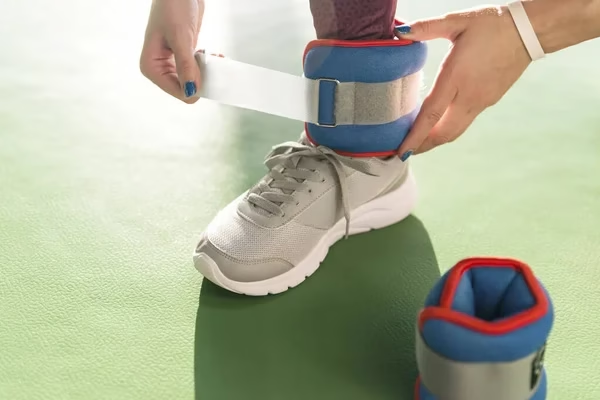
🚲 Stationary Bike or Mini Pedal Exerciser
- Improves knee flexibility and boosts cardiovascular health.
- A mini bike is a great space-saving option for home rehab.
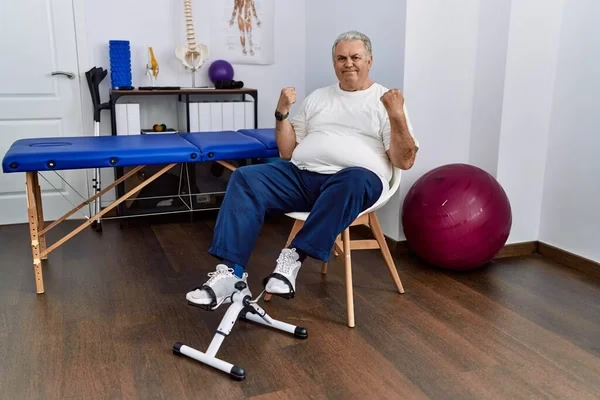
⚖️ Balance Pads or Cushions
- Train balance and stability, reducing fall risk.
- Especially useful once you start walking without support.
🦯 Walker, Cane, or Crutches (Early Stage)
- Provide safe mobility during the first weeks.
- Transition out of them as your strength and stability improve.

👉 Pro Tip: You don’t need everything at once. Start with ice therapy, a walker, and resistance bands, then add equipment as you progress.
🩹 Pain and Swelling Management After Total Knee Replacement
Pain and swelling are normal after surgery, especially in the first few weeks. The key is knowing how to control them so you can keep moving and avoid setbacks.
❄️ Cold Therapy & Compression
- Use ice packs or cold therapy devices for 15–20 minutes, several times per day.
- Compression wraps or sleeves help limit swelling and provide gentle support.
🛏️ Elevation & Positioning
- Elevate your leg above heart level to reduce swelling.
- Place a pillow under your calf or ankle (never directly under the knee).
- Avoid sitting too long with your leg hanging down.
💊 Medication & Pain Relief Options
- Follow your surgeon’s instructions for prescribed medications.
- Over-the-counter pain relievers may also help once cleared by your doctor.
- Never skip medication before physical therapy — it can make exercises easier.
🔄 When to Use Heat
- Heat is generally avoided in the first weeks.
- After the initial healing phase, gentle heat can help loosen stiff muscles before exercise.
🚨 When to Call Your Doctor
- Severe swelling that doesn’t improve.
- Sudden sharp pain, redness, or warmth in the leg.
- Signs of infection (fever, chills, or drainage at the incision site).
👉 Managing pain and swelling isn’t just about comfort — it’s what allows you to stay active, do your exercises, and keep your recovery on track.
👩🏻⚕️🥗 Nutrition and Lifestyle Tips for Faster Recovery
What you eat and how you care for your body play a big role in Total Knee Replacement Rehabilitation. The right foods and habits can reduce inflammation, speed up healing, and boost your energy as you recover.
🥦 Eat Foods That Fight Inflammation
- Focus on whole, colorful foods: fruits, vegetables, and whole grains.
- Include healthy fats like salmon, avocado, olive oil, and nuts.
- Limit processed foods and added sugars — they can increase inflammation.

💧 Stay Hydrated
- Drink 6–8 glasses of water daily to help your body flush out toxins.
- Proper hydration also keeps your joints and muscles working smoothly.
💊 Consider Helpful Supplements (with Doctor Approval)
- Vitamin D & Calcium – Support bone health.
- Omega-3 Fatty Acids – Help reduce swelling and stiffness.
- Collagen or Protein Powder – Aid tissue repair and muscle recovery.
🥗 Key Nutrients for Faster Recovery After Total Knee Replacement
| Nutrient | Main Benefit | Best Food Sources | When It Helps Most |
|---|---|---|---|
| Protein | Builds and repairs muscles & tissues | Lean meats, eggs, Greek yogurt, beans | Throughout recovery |
| Vitamin C | Supports collagen formation & wound healing | Citrus fruits, strawberries, bell peppers | Early healing phase |
| Vitamin D | Strengthens bones & supports calcium absorption | Sunlight, salmon, fortified milk | Ongoing bone recovery |
| Calcium | Builds bone strength & stability | Dairy products, almonds, leafy greens | Bone and joint strengthening |
| Omega-3 Fatty Acids | Reduces inflammation & stiffness | Salmon, flaxseeds, walnuts | Reducing post-surgery swelling |
| Iron | Boosts energy & oxygen flow to muscles | Lean red meat, spinach, lentils | Rebuilding strength |
| Zinc | Speeds wound healing & supports immunity | Shellfish, nuts, whole grains | Incision and tissue repair |
| Collagen | Improves joint flexibility & recovery | Bone broth, collagen supplements | Long-term joint health |
😴 Prioritize Sleep & Stress Management
- Aim for 7–9 hours of quality sleep each night — healing happens when you rest.
- Gentle breathing, stretching, or meditation can lower stress and speed recovery.
- Avoid smoking and limit alcohol, as both slow healing.
👉 Think of your body as a team: exercise, nutrition, and rest all work together to help you recover stronger and faster.
⚠️ Common Mistakes to Avoid During Total Knee Replacement Rehabilitation
Recovery success isn’t just about what you do — it’s also about what you avoid. Many patients delay progress by making small but costly errors during Total Knee Replacement Rehabilitation. Here are the top five mistakes to watch out for 👇
🚫 1. Skipping Physical Therapy or Home Exercises
Every session and exercise builds strength, motion, and confidence. Skipping them slows your recovery and can lead to stiffness or weakness. Stay consistent — even a few minutes a day makes a difference.
⚡ 2. Pushing Too Hard, Too Soon
Doing more than your body is ready for can cause swelling or pain. Gradual progress is safer and more effective. Follow your PT’s plan and rest when needed.
🪑 3. Sitting Too Long or Staying Inactive
Too much sitting limits circulation and flexibility. Move, stretch, or walk every hour to keep your knee from stiffening up.
💊 4. Ignoring Pain, Swelling, or Red Flags
Pain is your body’s warning signal. If swelling increases or your knee feels unusually warm or red, rest and contact your healthcare provider if it persists.
🍎 5. Neglecting Nutrition, Hydration, and Rest
Your body heals faster with proper fuel and sleep. Eat nutrient-rich foods, drink enough water, and aim for 7–9 hours of rest each night.
👉 Avoiding these five mistakes will help you recover faster, stay motivated, and protect the results of your surgery.
🧠 Final Thoughts
Recovering from a total knee replacement takes patience, dedication, and the right plan. With consistent effort, you’ll regain your strength, mobility, and confidence step by step. Remember, Total Knee Replacement Rehabilitation isn’t just about healing your knee — it’s about rebuilding your lifestyle and independence.
Stay focused on your goals, listen to your physical therapist, and celebrate every small victory 🎯. Each stretch, exercise, and healthy choice brings you closer to walking without pain and returning to the activities you love.
If you’re preparing for surgery or already in recovery, use this 2026 guide as your roadmap. Your new knee is just the beginning — your commitment to rehab is what makes the difference. 💪
📢 Before you go! Sign up below for home recovery tips, injury rehab advice, and therapist-approved gear reviews straight to your inbox!!