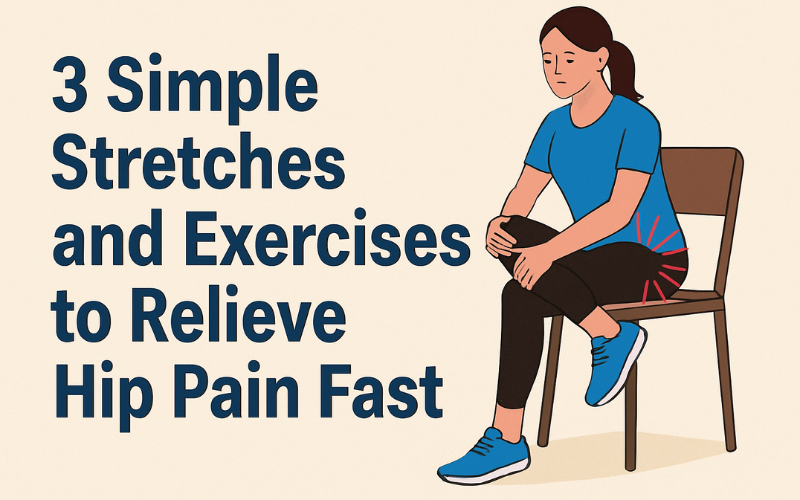
Living with hip pain can make simple activities like standing, bending, or climbing stairs feel like a challenge. Luckily, there are exercises to relieve hip pain that can bring quick relief and improve your daily comfort. With just a few minutes a day, the right stretches and movements can loosen tight muscles, increase flexibility, and reduce aches.
In this article, you’ll learn 3 simple, physical therapist-approved stretches and exercises you can do at home. They’re easy to follow, don’t require special equipment, and are designed to help you move freely again. If you’re ready to ease hip pain naturally and start feeling better fast, let’s get started.
Table of Contents
🚨 Looking for more information about Rehab Tools for Hip Recovery? Check out our Top Rehab Tools for Hip Fracture Recovery or other related posts throughout this site.
🏁 Why Exercises to Relieve Hip Pain Work
Hip pain can affect how you move, sit, and sleep. Many times, this discomfort comes from tight muscles, weak hip joints, or poor flexibility. While pain medication may help temporarily, it does not fix the problem. That’s where exercises to relieve hip pain make a big difference.
Stretching and strengthening movements target the root cause of pain. They help by:
- Loosening tight muscles that pull on your hips and limit movement.
- Improving flexibility to make bending and walking easier.
- Strengthening hip support muscles to reduce future aches and stiffness.
Most people can start seeing improvements within a few days of doing these exercises consistently. You don’t need fancy equipment or a gym membership—just a few minutes a day can help you move freely again.
💡Pro Tip: Always listen to your body. If a stretch or exercise causes sharp pain, stop immediately and consult a physical therapist.
🧘♀️ 3 Simple Stretches for Quick Hip Pain Relief
When hips feel stiff or achy, stretching can release tension, improve flexibility, and restore natural movement. Below are 3 simple stretches for quick hip pain relief you can do anywhere, without special equipment. These moves work well alongside strengthening exercises to keep your hips healthy and pain-free.
1. Hip Flexor Stretch (Lunge Position)
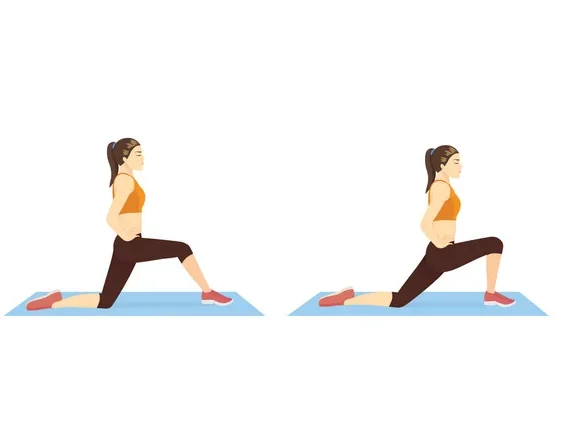
Sitting for long periods can make hip flexors tight, pulling on your lower back and causing discomfort. This stretch helps open up the front of your hips.
How to Do It:
- Kneel on your right knee with your left foot flat in front, forming a 90° angle.
- Shift your hips forward slightly, feeling a gentle stretch in the front of your right hip.
- Hold for 20–30 seconds, then switch sides.
2. Seated Figure-Four Stretch

This stretch releases tension in your glutes and outer hips, common sources of pain and stiffness.
How to Do It:
- Sit in a chair with your feet flat on the floor.
- Cross your right ankle over your left knee, forming a “4” shape.
- Lean forward gently until you feel the stretch in your hip.
- Hold for 20–30 seconds, then switch legs.
3. Standing Quad Stretch
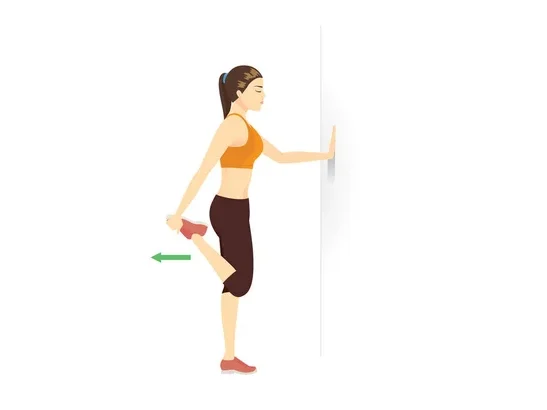
Tight quads can pull on your hips and lower back. Stretching them can ease discomfort and improve mobility.
How to Do It:
- Stand tall, holding a chair or wall for balance.
- Bend your right knee and grab your ankle behind you.
- Gently pull your foot toward your glutes until you feel a stretch in the front of your thigh.
- Hold for 20–30 seconds, then switch sides.
🎯Performing these 3 stretches daily can quickly reduce stiffness, improve blood flow, and help you move more comfortably. Combine them with hip-strengthening exercises for long-lasting relief.
🏋️♂️ 3 Easy Hip Exercises to Strengthen and Support Your Hips
While stretching can help reduce stiffness, adding strengthening movements is key to long-term relief. Strong hip muscles provide better support for your joints, improve balance, and reduce the risk of future pain. Here are 3 easy, physical therapist-approved exercises to relieve hip pain and build lasting strength.
1. Glute Bridges
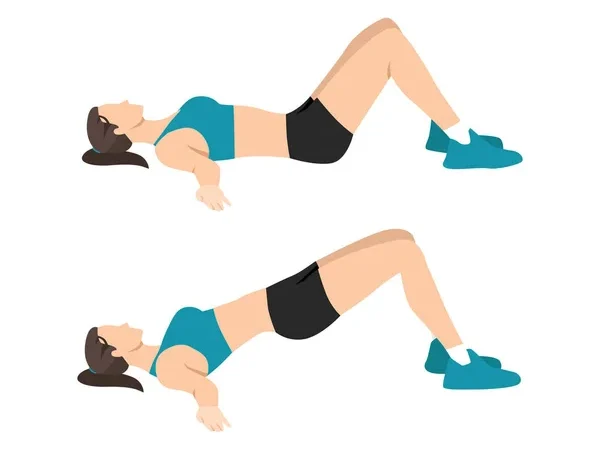
This exercise strengthens your glutes, hamstrings, and lower back, all of which support healthy hip movement.
How to Do It:
- Lie flat on your back with knees bent and feet hip-width apart.
- Press your heels into the floor and slowly lift your hips toward the ceiling.
- Hold for 2–3 seconds, then lower slowly.
- Repeat 10–12 times.
💡Tip: Avoid arching your lower back. The movement should come from your hips, not your spine.
2. Standing Hip Abductions
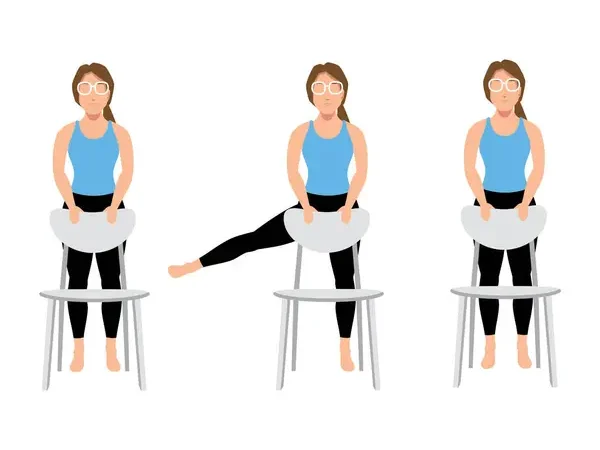
This move targets the muscles on the outer side of your hips, which help with balance and stability.
How to Do It:
- Stand tall, holding onto a chair or wall for support.
- Slowly lift one leg straight out to the side, keeping your foot flexed.
- Hold for 2 seconds, then return to start.
- Perform 10 reps per leg.
💡Tip: Keep your torso upright—avoid leaning sideways as you lift your leg.
3. Clamshells
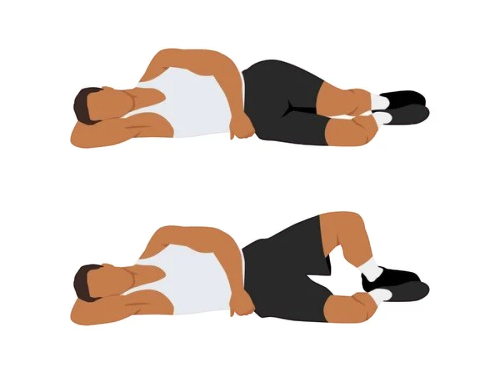
Clamshells are great for activating the gluteus medius, a key muscle that supports hip alignment.
How to Do It:
- Lie on your side with your knees bent and feet together.
- Keeping your feet touching, lift your top knee as high as you can without moving your hips.
- Pause, then return slowly.
- Perform 10–15 reps on each side.
💡Tip: Add a resistance band above your knees for an extra challenge.
🎯Strengthening your hips just a few minutes a day can make walking, climbing stairs, and bending easier—without pain holding you back.
🏆 Tips for Preventing Hip Pain Long-Term
Relieving hip pain is a great first step—but preventing it from coming back is just as important. With a few daily habits and smart choices, you can protect your hips and stay pain-free for the long haul. Here are simple tips to help keep your hips strong and healthy:
1. Stay Active
Regular movement helps keep your joints flexible and your muscles strong. Try walking, swimming, or biking for at least 20–30 minutes a day. Low-impact exercises are especially helpful to protect your hips without added strain.
2. Stretch Daily
Adding daily hip stretches to your routine can prevent stiffness and improve flexibility. Focus on gentle movements that target the hip flexors, hamstrings, glutes, and lower back.
3. Strengthen Supporting Muscles
Weak muscles around your hips can cause joint stress and imbalance. Do exercises to relieve hip pain that also build strength in your glutes, thighs, and core.
💡Pro Tip: Combining daily stretches, strengthening, and supportive tools can help you stay active without hip pain holding you back.
4. Watch Your Posture
Sitting or standing with poor posture puts extra pressure on your hips. Keep your spine straight, shoulders back, and avoid slouching—especially if you work at a desk.

5. Use Supportive Footwear
Wearing the right shoes can reduce stress on your hips. Avoid high heels or unsupportive flats. Choose shoes with good arch support and cushioning.
6. Maintain a Healthy Weight
Extra weight adds strain on your hip joints. Eating a balanced diet and staying active can help you manage weight and reduce hip pain over time.
🔧Helpful Tools for Lumbar Spinal Stenosis Relief
| Product | Description | Benefits | Check Price |
|---|---|---|---|
| Stretch Strap | A durable strap with loops to assist in deep, controlled stretches. | Increases flexibility and range of motion; great for beginners. | 👉 View on Amazon |
| Resistance Bands Set | Lightweight bands for strengthening hip, glute, and core muscles. | Ideal for rehab and daily strength training without heavy weights. | 👉 View on Amazon |
| Memory Foam Seat Cushion | Ergonomic cushion that relieves pressure while sitting. | Helps align posture and reduce hip/back strain at work or home. | 👉 View on Amazon |
| Hot & Cold Gel Pack | Reusable pack for targeted hip relief after exercise. | Helps manage inflammation and soreness naturally. | 👉 View on Amazon |
🧑⚕️ When to See a Physical Therapist
While exercises to relieve hip pain can help many people, sometimes hip pain needs expert care. Knowing when to see a physical therapist can save you time, reduce pain faster, and prevent further injury.
Here are signs it’s time to get professional help:
- Pain lasts longer than 2 weeks despite home exercises and rest.
- Hip pain gets worse with movement or at night, disrupting sleep.
- Limited range of motion—you can’t move your hip normally or walk without discomfort.
- Pain spreads down the leg or causes numbness, tingling, or weakness.
- You’ve had a recent hip injury or fall and the pain is severe.
🎯Physical therapists are trained to assess your hip, find the root cause of pain, and design a personalized treatment plan. This may include hands-on therapy, guided exercises, and advice on posture and daily habits.
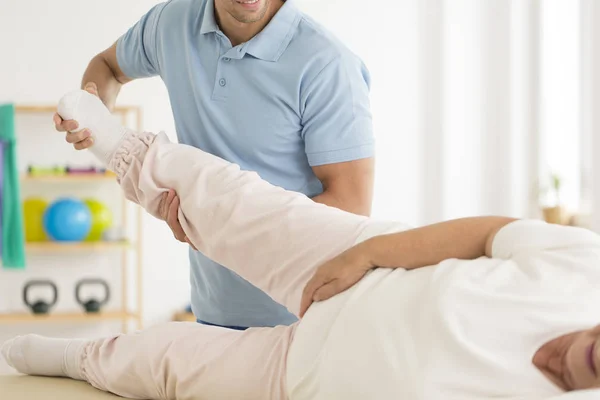
Don’t wait for pain to become disabling. Early intervention often means faster recovery and better results.
🧠 Final Thoughts
Hip pain can make everyday tasks frustrating, but small, consistent changes can make a big difference. The exercises to relieve hip pain we’ve covered are simple, quick, and proven to help improve flexibility, reduce stiffness, and strengthen your hips for long-term comfort.
Remember, your hips support your entire body’s movement. Treat them well by staying active, stretching regularly, and using supportive tools when needed. If pain continues or worsens, seeking help from a physical therapist is the best step toward lasting relief.
Taking just 10 minutes a day to care for your hips can help you stay mobile, active, and pain-free for years to come.
📢 Before you go! Sign up below for home recovery tips, injury rehab advice, and therapist-approved gear reviews straight to your inbox!!