
Spondylolisthesis is a condition where one of the bones in your spine slips out of place, causing pain, stiffness, or even nerve problems. Many people don’t realize they might have it until symptoms appear, making early detection important. In this guide, we’ll break down the main symptoms, causes, and treatment options for spinal slippage, so you can understand what’s happening in your back and how to manage it effectively.
Table of Contents
🚨 Looking for more information about Sciatica? Check out our Ultimate guide to sciatica or other related posts throughout this site.
🏁 What Is Spondylolisthesis?
Spondylolisthesis is a condition where one vertebra in your spine slips forward over the vertebra below it. This slippage can cause pain, stiffness, and sometimes nerve problems, including tingling or numbness in your legs.
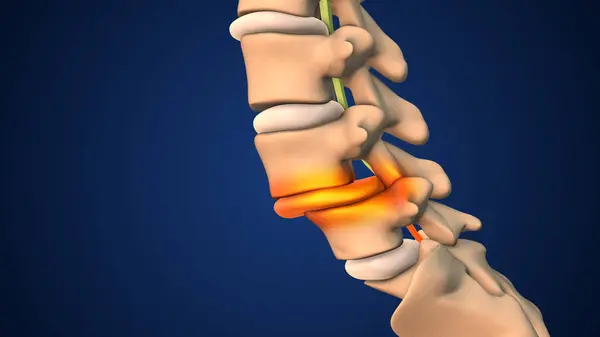
The severity of spondylolisthesis varies. Some people have mild slippage and experience little to no pain. Others may have more serious slippage that affects daily activities. Understanding the type and cause of your spondylolisthesis is key to managing it effectively.
📋Types of Spondylolisthesis:
- Degenerative: Caused by aging and natural wear-and-tear on the spine. Most common in adults over 50.
- Isthmic: Happens when a small stress fracture in the vertebra allows it to slip forward. Often affects younger athletes.
- Congenital: Present at birth due to spinal abnormalities.
- Traumatic: Results from an injury or accident that damages the spine.
- Pathologic: Caused by diseases that weaken the bones, like osteoporosis or tumors.
🎯Did you know? Even small slips in the spine can cause significant discomfort if nerves are compressed. Early diagnosis and proper management can prevent symptoms from worsening.
🚨 Pause! – Before you continue:
👉 Download this quick PDF exercise guide for symptom relief: (Spondylolisthesis Exercise Guide)
🩺 Common Symptoms of Spondylolisthesis
Spondylolisthesis can affect people differently. Some may barely notice symptoms, while others experience pain that limits daily activities. Knowing the common signs can help you spot it early.
1. Lower Back Pain
Most people with spondylolisthesis feel pain in the lower back. The pain may worsen after standing, walking, or exercising.
2. Stiffness and Tightness
The back may feel stiff or tight, especially in the morning or after long periods of sitting.
3. Leg Pain, Tingling, or Numbness
If the slipped vertebra presses on nerves, you might feel pain, tingling, or numbness in the legs. This is often called sciatica.
4. Muscle Weakness
Weakness in the legs can occur if nerves controlling muscles are affected, making walking or standing difficult.
5. Difficulty with Movement
Some people notice trouble bending, twisting, or walking long distances. Severe slippage can even affect balance.
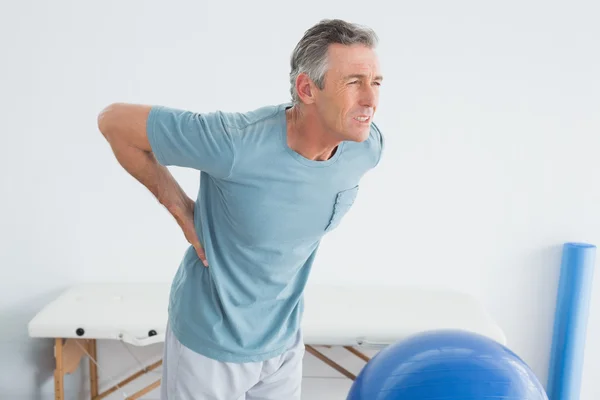
💡Quick Tip: If you notice persistent back or leg pain, especially with numbness or weakness, see a doctor early. Early care can prevent the condition from worsening.
⚠️ Causes and Risk Factors
Understanding what causes spondylolisthesis can help you reduce your risk and manage symptoms. The condition happens when the spine becomes unstable, allowing a vertebra to slip forward.
Common Causes:
- Age and Wear-and-Tear – Over time, the discs and joints in your spine can weaken, leading to degenerative spondylolisthesis, especially in adults over 50.
- Stress Fractures – Small cracks in the vertebra, often from sports like gymnastics or football, can cause isthmic spondylolisthesis.
- Congenital Spine Defects – Some people are born with weak spinal structures that make slippage more likely.
- Trauma or Injury – Falls, car accidents, or other injuries can damage vertebrae and cause traumatic spondylolisthesis.
- Diseases That Weaken Bones – Conditions like osteoporosis or tumors can lead to pathologic spondylolisthesis.
Risk Factors:
- Athletes in high-impact sports (e.g., gymnastics, football, weightlifting)
- Older adults with natural spinal degeneration
- Family history of spinal problems
- Poor posture or repetitive strain that stresses the spine
📌Pro Tip: Early awareness of risk factors, like engaging in high-impact sports or experiencing repeated back strain, can help you take preventive measures.
🔍 How Spondylolisthesis Is Diagnosed
If you suspect spondylolisthesis, a doctor will perform a series of tests to confirm the condition and determine its severity. Early diagnosis is important to prevent further slippage and manage symptoms effectively.
1. Physical Exam
During a physical exam, your doctor will:
- Check posture and spinal alignment
- Test flexibility and range of motion
- Assess reflexes, muscle strength, and nerve function
2. Imaging Tests
Imaging helps doctors see how much the vertebra has slipped and whether nerves are affected:
- X-rays: Show the alignment of vertebrae and help identify slippage.
- MRI (Magnetic Resonance Imaging): Reveals nerve compression and soft tissue issues.
- CT Scan (Computed Tomography): Offers a detailed look at the bones and spinal canal.
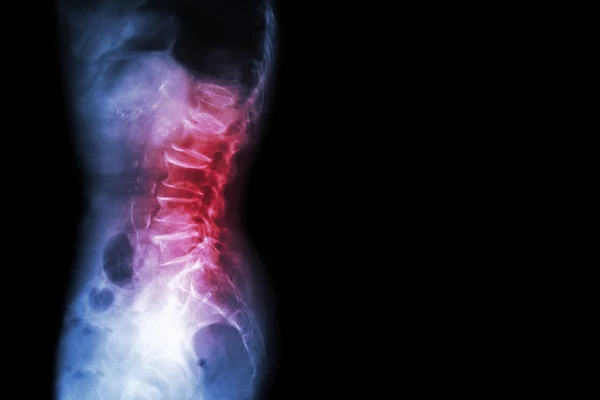
3. Grading the Slippage
Doctors often grade spondylolisthesis from Grade 1 (mild) to Grade 4 (severe) based on how far the vertebra has shifted. This helps determine the best treatment plan.
💡Quick Tip: Early detection often allows for non-surgical treatments, which can prevent further slippage and reduce pain.
💉 Non-Surgical Treatment Options
Most people with spondylolisthesis start with non-surgical treatments. These methods can reduce pain, improve mobility, and prevent further slippage.
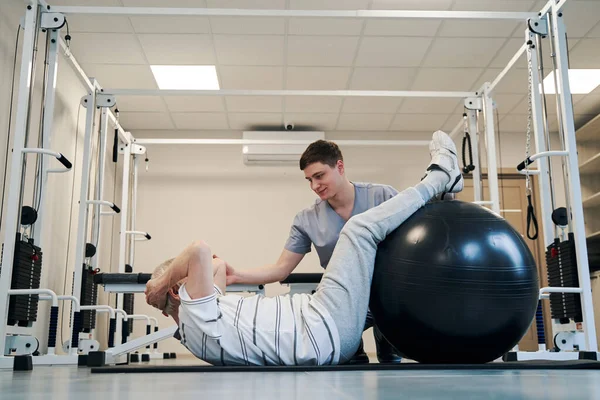
1. Physical Therapy
A structured physical therapy program helps strengthen the core and back muscles. Strong muscles support the spine and reduce pressure on the vertebrae.
- Exercises may include gentle stretching, core stabilization, and low-impact strength training.
2. Pain Management
Over-the-counter pain relievers like acetaminophen or anti-inflammatory medications can help reduce discomfort. In some cases, doctors may prescribe stronger pain or nerve medications.
3. Activity Modification
Avoiding activities that worsen symptoms is key. High-impact sports, heavy lifting, or prolonged bending can increase slippage or pain.
4. Bracing
A back brace may be recommended to stabilize the spine, especially in younger patients or those with mild slippage.
5. Lifestyle Adjustments
- Low-impact activities like swimming or walking help keep the spine flexible without added risk.
- Maintaining a healthy weight reduces strain on the spine.
- Practicing good posture can prevent additional stress on the vertebrae.
📌Pro Tip: Consistency is key. Regular physical therapy and proper lifestyle changes can often prevent the need for surgery.
🦴 Surgical Treatment Options
Surgery is usually considered for spondylolisthesis when non-surgical treatments don’t relieve symptoms, or when slippage is severe and affects nerves.
1. Spinal Fusion
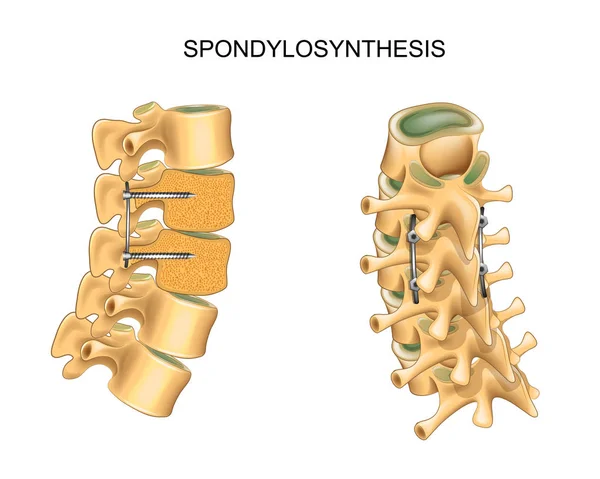
Spinal fusion is the most common procedure. It joins two or more vertebrae together to prevent further slippage. Metal rods, screws, or bone grafts may be used to stabilize the spine.
2. Decompression Surgery
If a slipped vertebra is pressing on nerves, decompression surgery may be performed. This removes bone or tissue that is causing nerve compression, relieving pain, numbness, or weakness.
3. Recovery and Rehabilitation
- Maintaining proper posture and core strength is essential to prevent future problems.
- Recovery usually involves physical therapy to restore strength and mobility.
- Most patients gradually return to normal activities within a few months.
💡Quick Tip: Surgery can be very effective, but it’s important to follow your doctor’s rehabilitation plan for the best outcome.
🛠️Helpful Recovery & Support Products for Spondylolisthesis
| Product | Why It Helps | Buy Link |
|---|---|---|
| Ergonomic Office Chair | Promotes proper spine alignment and reduces pressure on the lower back. | 🛒 Shop Now |
| Adjustable Back Brace | Provides targeted support and helps stabilize the spine. | 🛒 Shop Now |
| Lumbar Support Pillow | Keeps natural spine curvature when sitting for long periods. | 🛒 Shop Now |
| Resistance Bands Set | Great for gentle strengthening exercises and flexibility work. | 🛒 Shop Now |
🛡️ Preventing and Managing Spinal Slippage
Knowing how to manage spondylolisthesis symptoms at home can help reduce back pain, improve mobility, and prevent flare-ups.
1. Maintain Good Posture
Proper posture reduces stress on the spine. Sit and stand tall, and avoid slouching for long periods.
2. Strengthen Core and Back Muscles
Strong muscles support the vertebrae and help prevent further slippage. Simple exercises like planks, bridges, and gentle back extensions can be very effective.
3. Maintain a Healthy Weight
Extra weight increases pressure on the spine. Losing weight or maintaining a healthy weight can reduce pain and slow progression.
4. Avoid High-Impact Activities
Running, heavy lifting, or sports with sudden twisting motions can worsen slippage. Low-impact activities like swimming, walking, or cycling are safer options.
5. Regular Check-Ups
Periodic visits to your doctor or physical therapist help monitor your spine and catch any changes early.
📌Pro Tip: Consistent care, proper exercise, and lifestyle adjustments can help most people live active, pain-free lives despite spinal slippage.
🧑⚕️ When to See a Doctor
Knowing when to seek medical attention for spondylolisthesis is crucial. Early care can prevent further slippage and reduce complications. These spondylolisthesis pain management tips from doctors focus on safe exercises, lifestyle changes, and treatment options to reduce discomfort.
Seek help immediately if you experience:
- Severe back or leg pain that doesn’t improve with rest or medication
- Numbness, tingling, or weakness in your legs
- Loss of bladder or bowel control – this is an urgent medical emergency
Schedule a check-up if you notice:
- Difficulty walking, bending, or performing everyday tasks
- Persistent lower back pain or stiffness
- Pain that worsens with activity or standing for long periods
💡Quick Tip: Don’t ignore persistent symptoms. Early diagnosis and treatment often allow for non-surgical management and a faster recovery.
✅ Conclusion
Spondylolisthesis is a condition where one vertebra slips forward over another, causing pain, stiffness, and sometimes nerve problems. Understanding the symptoms, causes, and treatment options is key to managing the condition effectively.
Most people benefit from non-surgical treatments like physical therapy, core-strengthening exercises, pain management, and lifestyle adjustments. Surgery is reserved for severe cases or when nerve symptoms are significant.
By maintaining good posture, a healthy weight, and strong core muscles, you can prevent further slippage and live an active, pain-free life. Learning how to manage spondylolisthesis lower back pain at home can improve quality of life and support long-term spine health. Early detection and proper care are crucial, so don’t hesitate to consult a doctor if you notice persistent back or leg symptoms.
📢 Before you go! Sign up below for home recovery tips, injury rehab advice, and therapist-approved gear reviews straight to your inbox!!